Rosland Capital bankruptcy exposes stress in gold retail
Rosland Capital bankruptcy comes as gold and silver stay elevated, pointing to pressure in retail bullion even in a hot metals market.
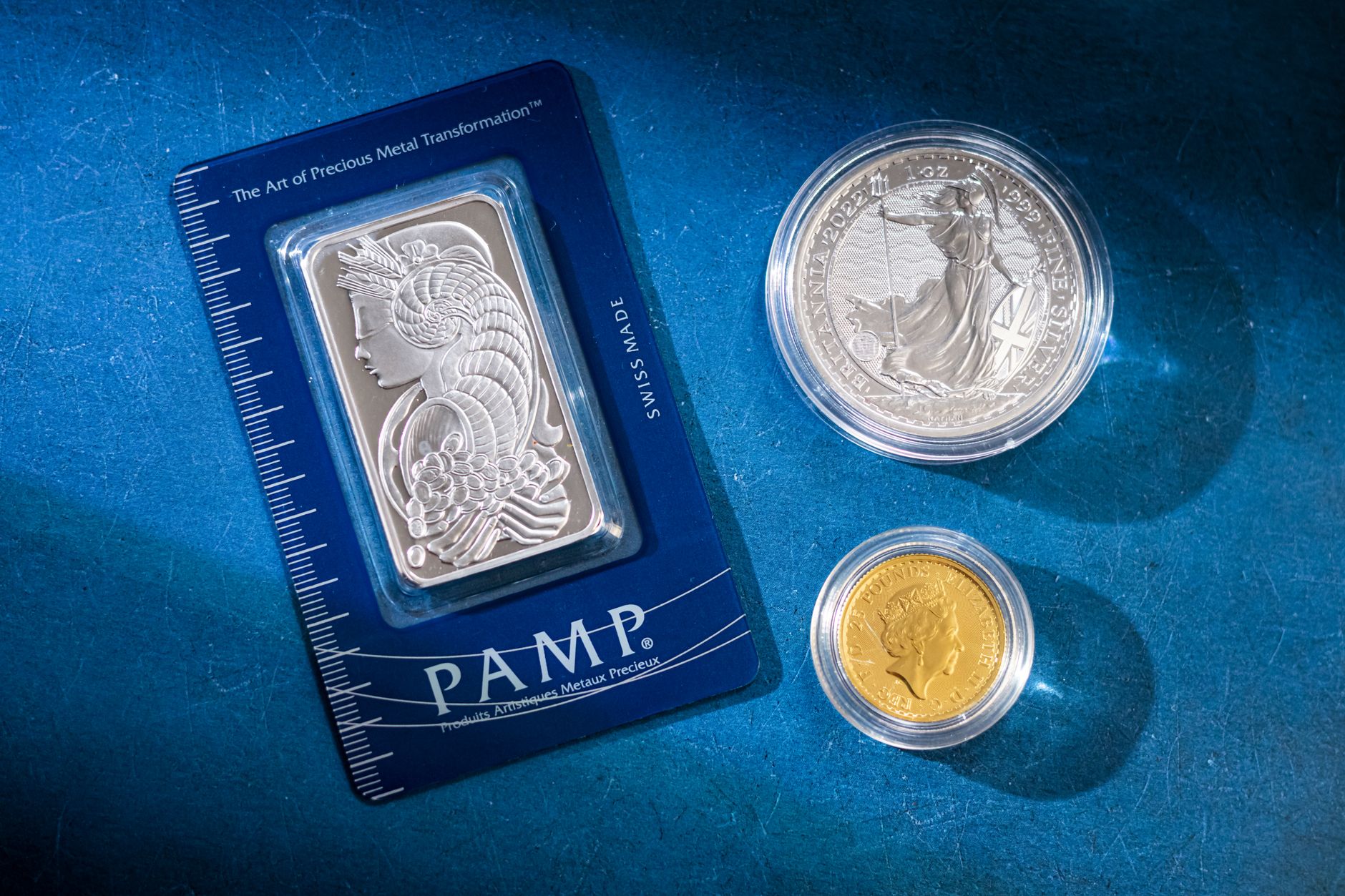
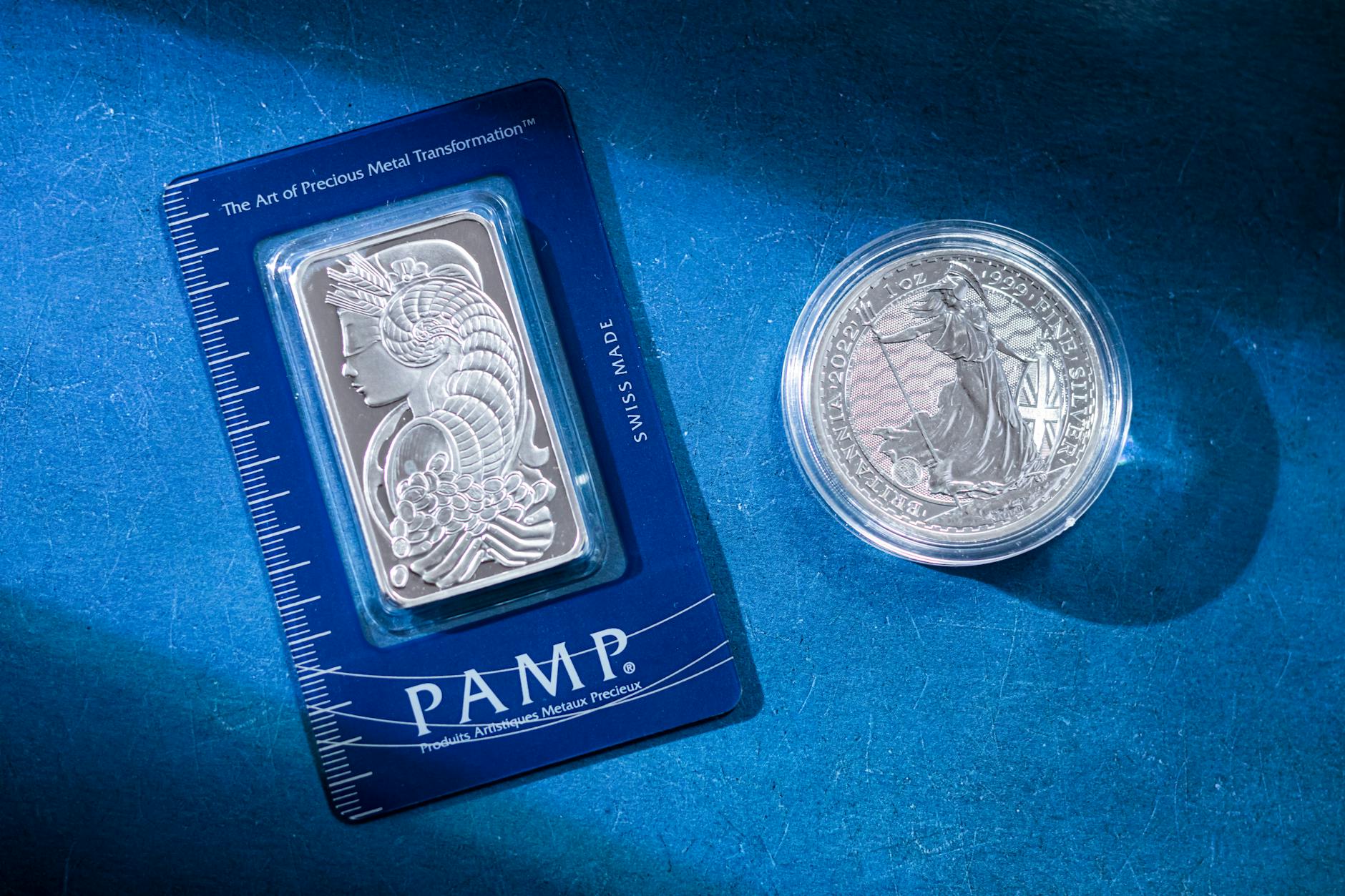
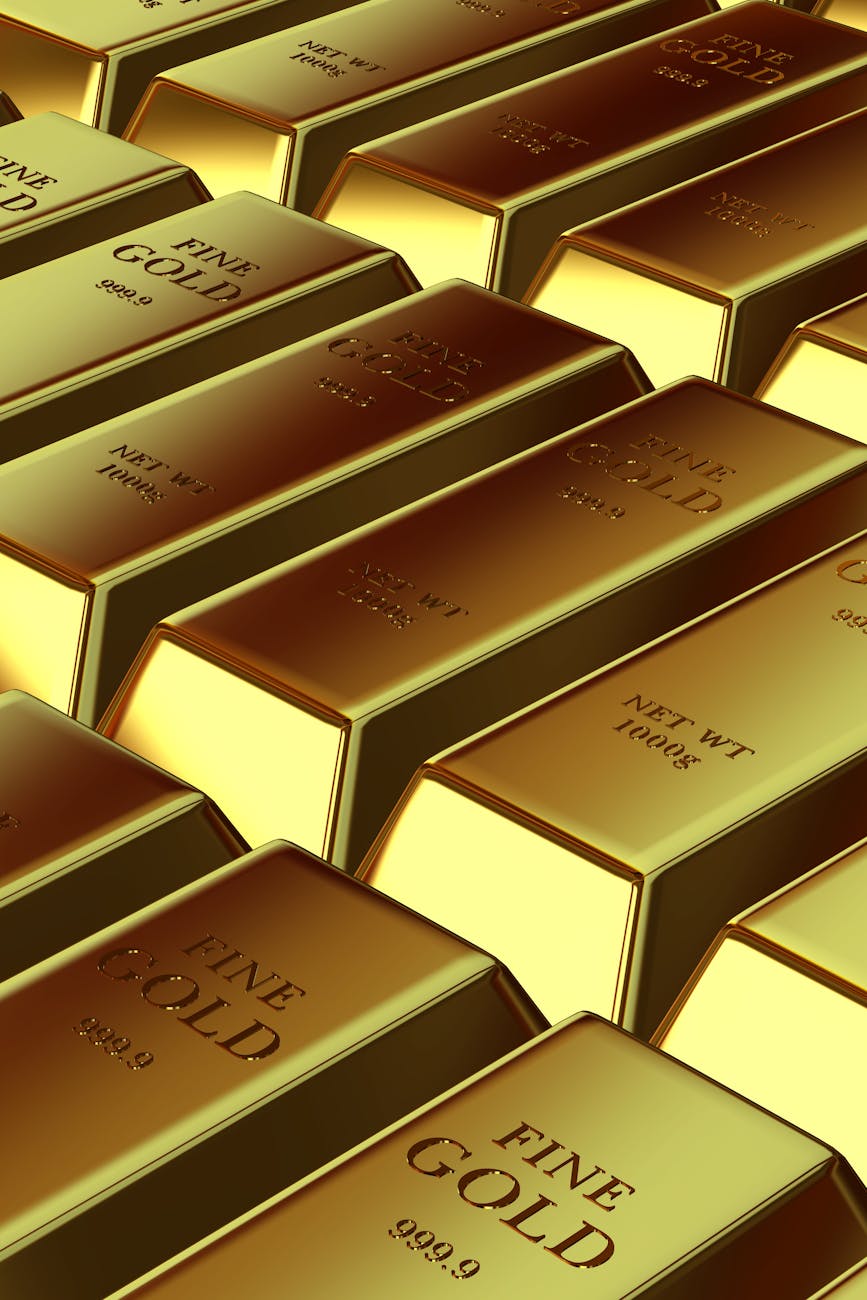
Rosland Capital, the Los Angeles precious-metals dealer that sells gold and silver to retail investors, filed for Chapter 11 on Thursday and is moving to liquidate. The timing is awkward. Bullion has remained one of the market’s sturdier macro hedges this year, but the filing says little on its own about where gold trades next. It points instead to a split between the metal and the companies that package it for small buyers. Gold can rally while a dealer’s cash flow fails.
The bankruptcy lands while precious metals remain elevated. An IBTimes UK analysis said silver approached about $121 an ounce earlier this year, and UBS metals strategist Joni Teves still expects prices to recover from current levels and set fresh highs in 2026. Rosland therefore looks less like a verdict on bullion than a reminder of a less visible part of the trade: customer acquisition, working capital, inventory turnover and the need to keep volumes moving after a price surge cools into routine dealing.
Court papers, as TheStreet reported, put Rosland’s assets at $1 million to $10 million against liabilities of $50 million to $100 million. Michael Hogan of Armanino Advisory LLC was identified as chief restructuring officer. A gap of that size is hard to pin on short-term bullion volatility alone. It also sits beside a sharper operating trend: IBTimes UK reported that revenue fell to $97.8 million in 2025 from $151 million in 2021, before the filing pushed the company toward liquidation.
Retail bullion dealers do not earn money like miners, streaming companies or exchange-traded products. Higher spot prices may support demand when investors are chasing inflation hedges or policy uncertainty. They can also make purchases harder for smaller buyers, leave sales volumes patchier and expose thinly capitalised dealers to tighter funding. Rosland’s Chapter 11 is first a company-specific failure. It is also a small stress signal in a supply chain that is often reduced to the spot price.
Why the mismatch matters
That distinction makes the bankruptcy useful for commodities investors. In the same IBTimes UK analysis, Teves said the broader bullion case has not broken after the recent pullback.
“We still think that prices can recover from current levels and continue to make new highs this year.”
Joni Teves, UBS metals strategist, via IBTimes UK
If that view proves right, Rosland’s liquidation would point to something price-led coverage can miss. A rising gold tape does not lift every business attached to precious metals. Some firms own exposure to the commodity. Others are retailers carrying expensive inventory and paying to find buyers one account at a time.
The narrower reading is that gold demand has not rolled over. The filing record and revenue trend instead point to stress at the distribution end of the market, where dealer economics can turn faster than headline bullion charts imply. That matters in 2026 because gold has carried a macro story of its own, from rate-cut expectations to geopolitical hedging. A bankruptcy inside the trade complicates that story. It asks investors to separate the metal’s role as a store of value from the operating risks of companies selling it to the public.
The next question is whether Rosland remains an isolated casualty or becomes the first visible crack in a tougher retail-bullion landscape. For now, the evidence supports the narrower view. The available filing material and reporting do not show the broader precious-metals complex seizing up. The bankruptcy still warns against reading too much from the spot chart. Gold and silver can stay expensive, sentiment can hold, and a dealer can still run out of room.
Reza Najjar
Commodities desk covering oil, natural gas, gold and base metals. Reports from London.