Austria urges EU to host Anthropic after US curbs
Austria urged the EU to consider hosting Anthropic after US restrictions limited foreign access to the company's most advanced AI models.
Austria pressed the European Union to consider hosting Anthropic inside the bloc after US restrictions curbed foreign access to the AI company’s most advanced models, bringing Washington’s controls into Europe’s sovereignty and investment debate.
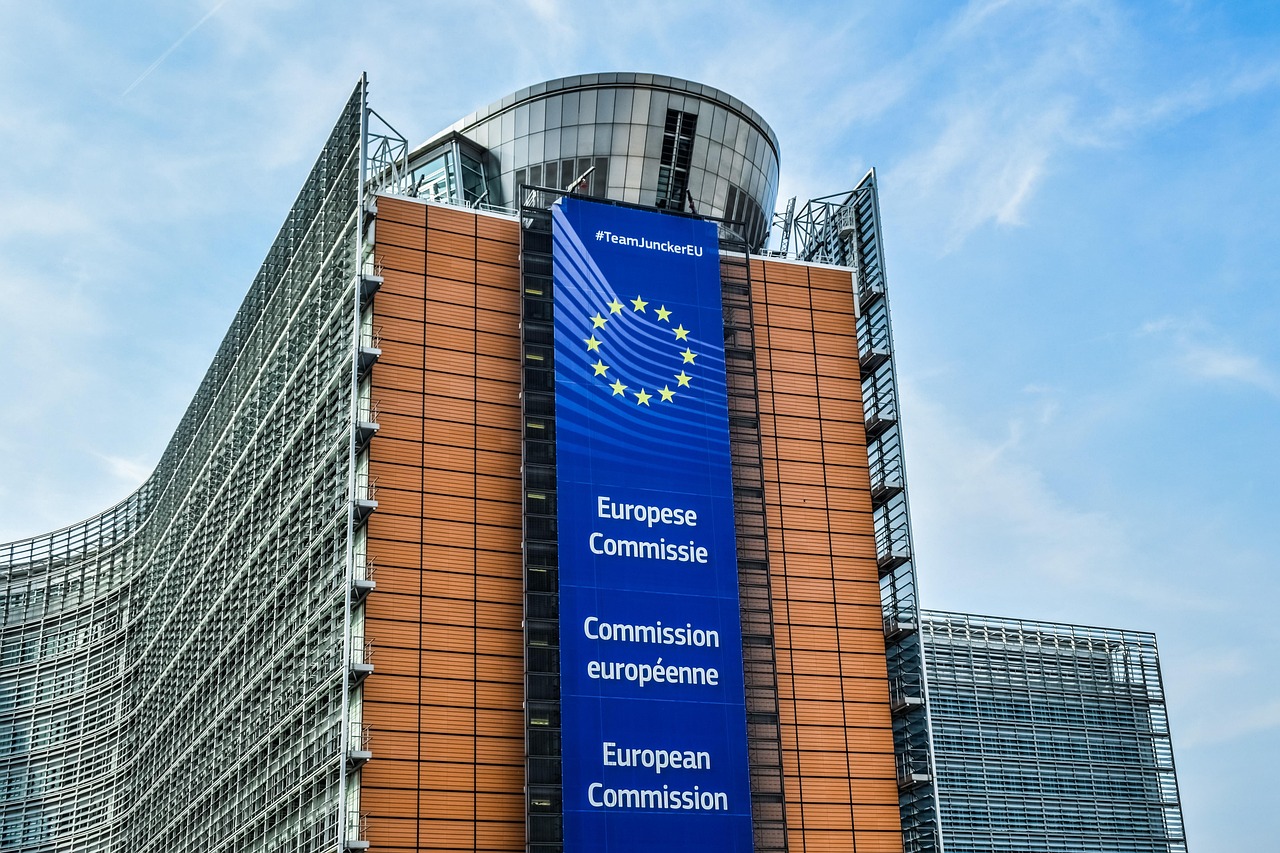
In a letter to EU technology commissioner Henna Virkkunen, Austria’s state secretary for digitalization, Alexander Proell, asked Brussels to examine whether Anthropic could establish a presence in the union, according to Reuters. The request moves the dispute beyond service access. It asks where model capacity would be governed, which regulator would supervise compliance and which market would benefit from the spending around frontier AI deployments. Any serious hosting push would also force Europe to confront data-handling, export-control and infrastructure questions that the letter itself does not settle.
For Brussels, the immediate concern is exposure. A policy change in Washington can alter the terms on which European customers reach tools they may already be building into procurement, software and compliance processes.
“Let us jointly explore the strategic establishment and participation of Anthropic within the European Union.”
Alexander Proell, Austria’s state secretary for digitalization
Commission officials had already signaled unease. Earlier this month, spokesperson Thomas Regnier said officials were looking closely at the practical consequences of Anthropic’s decision for European users. He also called the episode another example of why Europe needed to strengthen its technological sovereignty.
The timing gives Austria’s letter its edge. Regnier’s June 14 comments were defensive, focused on immediate service consequences. Vienna’s latest push is more assertive. It recasts the disruption as an industrial-policy opening for the bloc, rather than only a regulatory problem or a reason to lobby Washington.
Separately, a Reuters report on June 22 said US curbs on advanced AI were already pushing some European firms to spread risk across providers and jurisdictions instead of relying on one US platform. That moves the issue into procurement, vendor concentration and compliance planning. For banks, industrial groups and software buyers, hedging may mean duplicating vendors, shifting workloads or reworking contract risk when the most capable models sit inside national-security policy.
Austria’s intervention fits the bloc’s broader effort to keep strategic technology assets closer to home. Vienna is telling Brussels to use the disruption as leverage: if American rules can fence off the best models, Europe should test whether it can attract the company, the infrastructure around it and the legal oversight that would come with it. The claim is narrower than a call for AI autarky. Europe would still depend on US research, chips and capital, but Austria is arguing that more of the operating stack should sit under European jurisdiction.
No formal EU response beyond assessing the practical consequences was indicated in the fact bundle, and there was no sign of a public Anthropic response in the material reviewed. Austria’s letter still sharpens the policy choice for Brussels. The bloc can remain a downstream user of US-built AI tools, exposed when Washington rewrites the rules, or it can try to turn that vulnerability into an argument for hosting more of the stack at home.
Tomás Iglesias
Financial regulation and legal affairs. SEC, CFTC, FCA, market-structure and enforcement. Reports from Washington.