Malaysia gold import duty: 10% levy jolts bullion trade
Malaysia gold import duty rises to 10 per cent on some bars, pushing costs to buyers and disrupting Southeast Asian bullion flows before June 8.

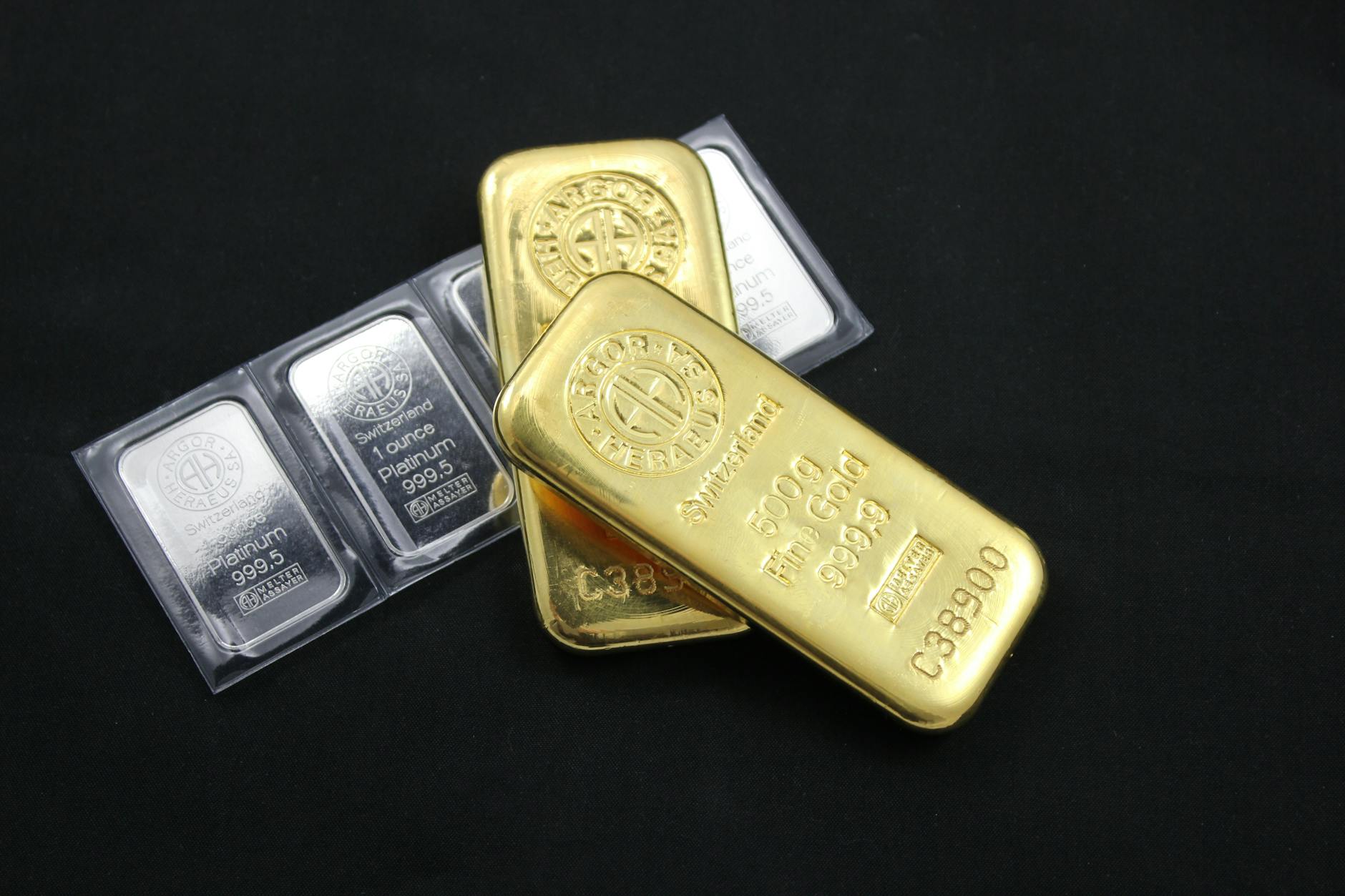
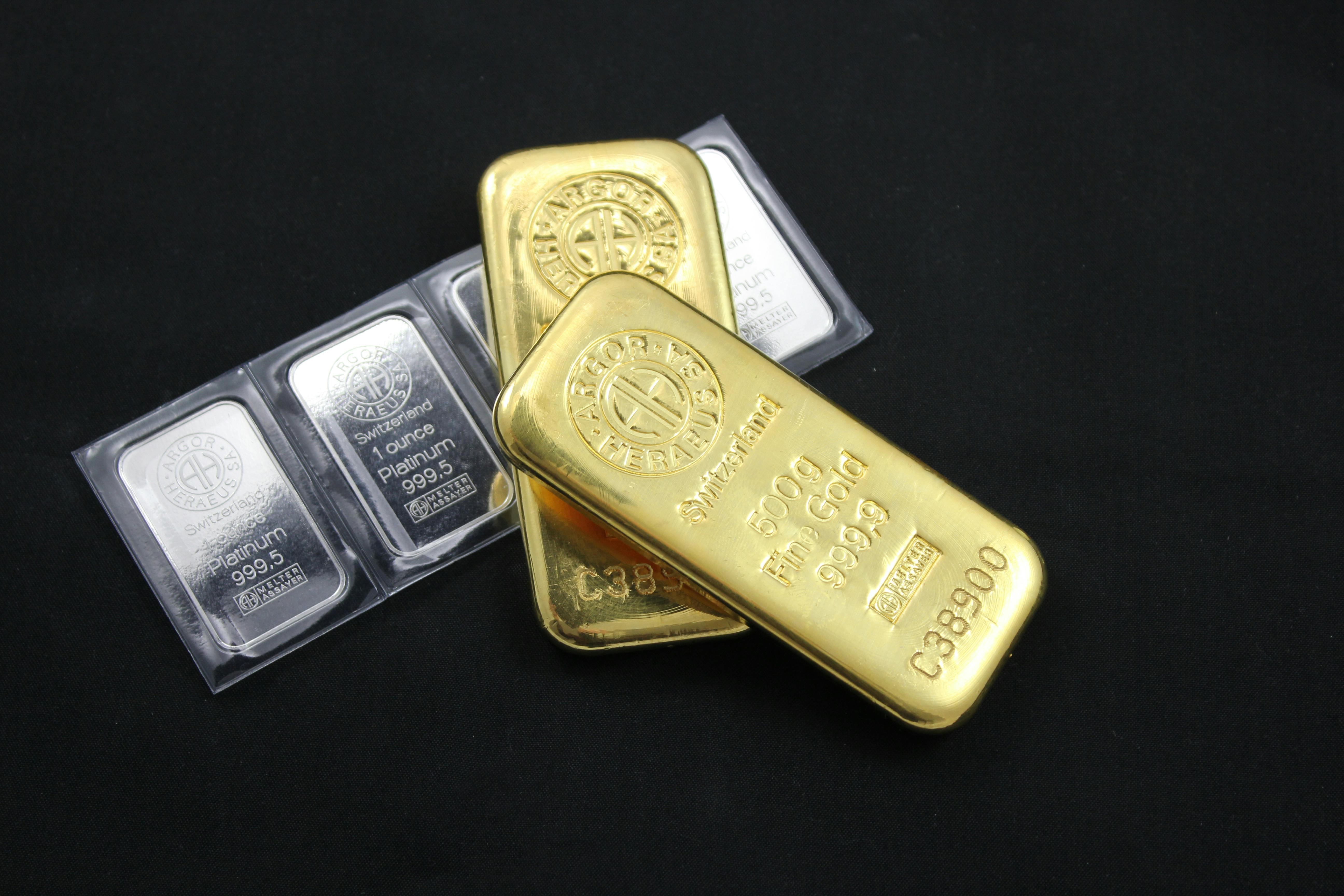
Malaysia imposed a 10 per cent import duty on some gold bar shipments on Tuesday, disrupting bullion flows through Southeast Asia and forcing dealers and bank distributors to recalculate what imported physical gold will cost from next month.
According to a notice from Bank Muamalat, the levy will apply to London Bullion Market Association gold bars from 8 June. That leaves the global bullion market untouched for now, but it changes the economics of moving bars into Malaysia, where customs treatment, vault access and bank distribution all shape the final price paid by buyers.
The Edge Malaysia reported that Malaysia imported RM9.7 billion of non-monetary gold through April. The pass-through math is large enough to explain the immediate reaction: a 1-kilogramme LBMA bar valued at about RM450,000 would attract roughly RM45,000 in tax under the new regime, according to RinggitPlus, which cited the bank’s announcement. In a market built on relatively tight dealing margins, that is not a rounding error.
Bank Muamalat Malaysia Bhd said it would not absorb the duty on behalf of clients. The bank said, via The Edge Malaysia, that “whenever a 10% import tax on bullion is charged, the cost shall be transferred to customers”. That turns a customs measure into a direct change in the quoted price of imported bars.
What the duty changes
For bullion dealers, a tax does not need to move the global benchmark to alter local behaviour. It only needs to make one route more expensive than another. That is why the measure matters for the physical market: it adds policy friction to a trade that depends on predictable customs treatment, fast inventory turnover and the ability to move metal across borders without a sudden new cost.
The Royal Malaysian Customs Department has yet to set out a full public explanation of how the change will apply across products or counterparties, though a spokesperson said the agency was “engaging with the industry”. Traders are still waiting for the practical answers, including whether any exemptions emerge, how narrowly the rule is defined and whether supply shifts to alternative channels before the 8 June start date.
Those details usually determine whether a market absorbs a cost, reroutes volume or pauses activity until the rulebook is clearer.
So far, the reporting suggests the near-term effect is concentrated in the physical market rather than in broader investment demand. The policy appears to target imported bars, especially the LBMA products cited in Bank Muamalat’s notice, rather than every route Malaysian investors can use to gain exposure to gold. That makes it a trade and distribution cost first, not a signal on the direction of bullion prices.
The timing is awkward for participants that use Malaysia as part of a regional bullion chain. Dealers can hedge the price of gold, but they cannot hedge an import levy. If officials do not soften the measure or create exemptions, imported bars into Malaysia will become more expensive and regional bullion flows will be harder to reroute.
Reza Najjar
Commodities desk covering oil, natural gas, gold and base metals. Reports from London.