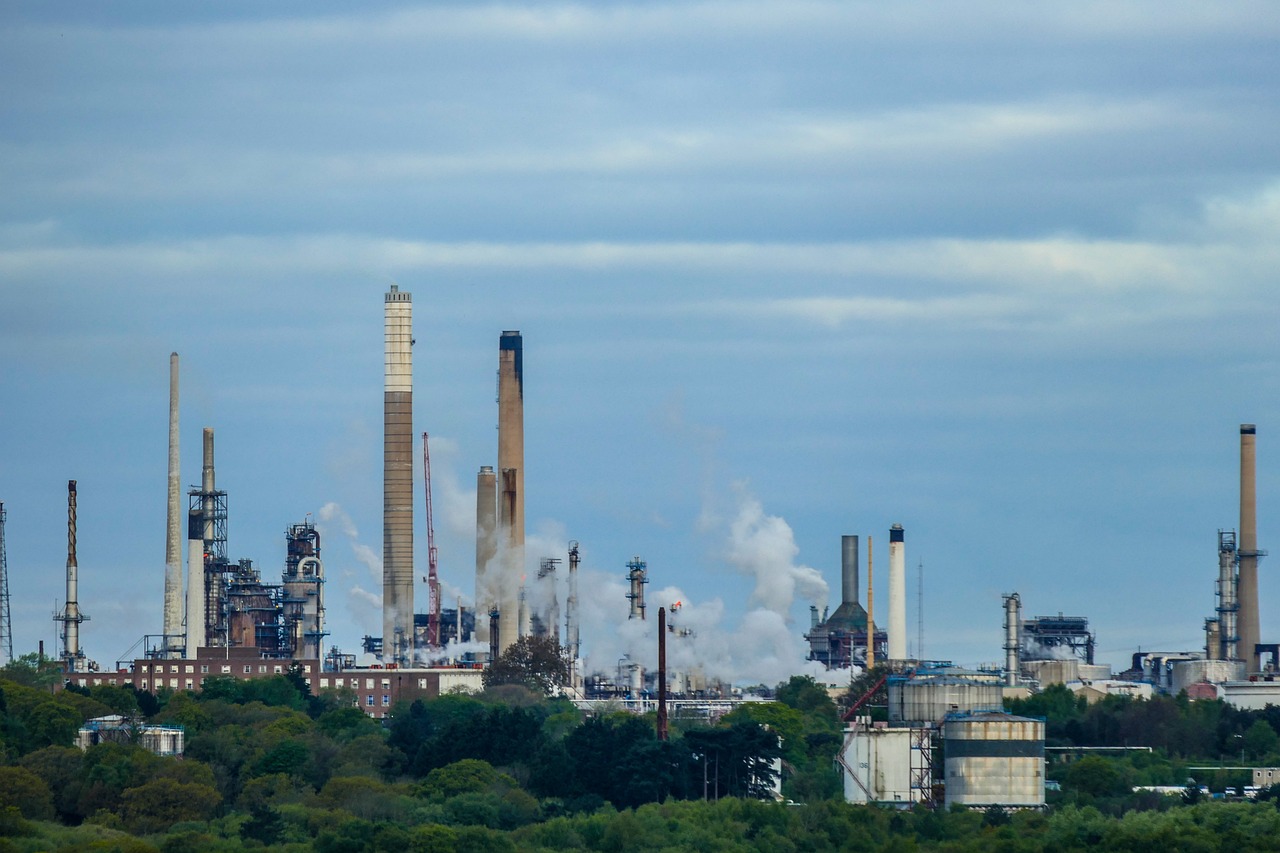
BP chairman Albert Manifold removed; shares fall 5%
BP removed chairman Albert Manifold after the board cited governance and conduct concerns, sending the oil major's shares down about 5 per cent.
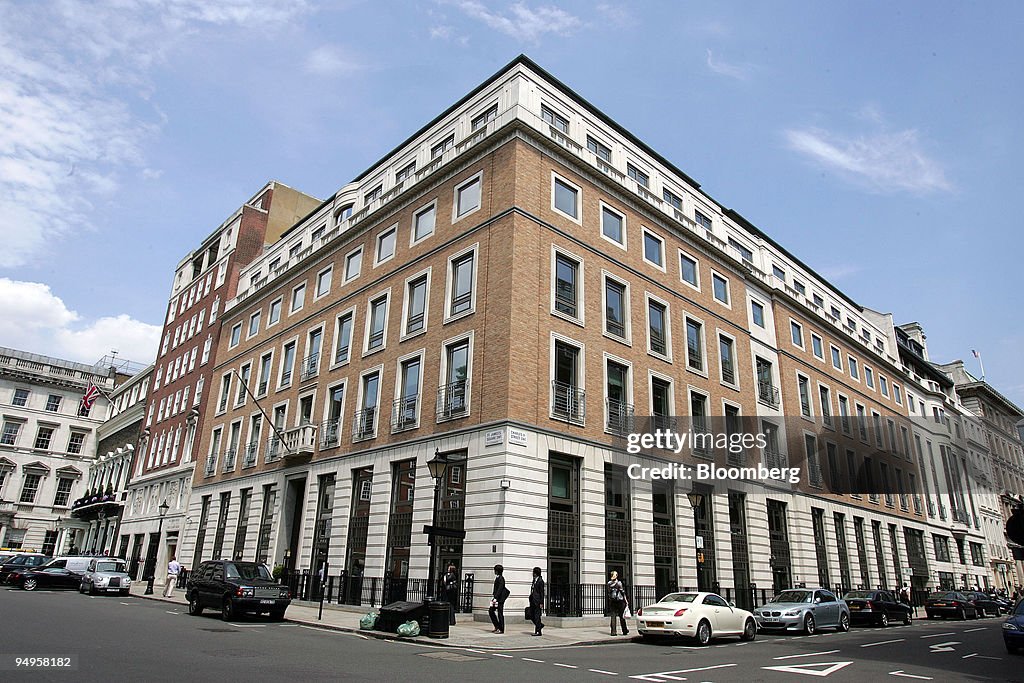
BP removed chairman Albert Manifold with immediate effect on Tuesday after the board said it had found serious concerns about governance, oversight and conduct, sending the oil major’s shares down as much as 9 per cent before they narrowed the loss to about 5 per cent, according to CNBC.
The move turned a board matter into a governance test for shareholders already tracking BP’s strategy, buybacks and exposure to oil-price swings. An abrupt chair exit adds another variable for investors assessing whether management and oversight remain aligned.
Only last month, investors had backed Manifold with 81.8 per cent of votes at BP’s annual general meeting. That made Tuesday’s decision look less like an orderly succession than a break with the board’s recent public support.
Amanda Blanc, BP’s senior independent director, said the board acted after learning of issues it considered unacceptable.
“The board has been surprised and disappointed to learn of governance oversight and conduct issues it deems unacceptable and has taken decisive action.”
— Amanda Blanc, BP senior independent director, via CNBC
BP gave no timetable for Manifold’s exit and did not suggest a dispute over strategy. Instead, the company framed the episode as an oversight and conduct problem serious enough to require immediate removal.
For investors, that distinction matters. At most oil majors, the chair is not responsible for day-to-day operations, but the role is central to board oversight, executive accountability and strategic challenge. A forced exit can raise questions about whether the problem was confined to one individual or exposed a wider weakness in control culture.
Ian Tyler, who was named interim chair, moved quickly to argue the second reading was wrong.
“The Board and leadership team have deep conviction in the strategic direction we have laid out, and the company is moving at pace to deliver it.”
— Ian Tyler, interim BP chair, via CNBC
His statement aimed to separate the governance issue from BP’s broader strategic plan. That matters because Bloomberg reported that the company has already had three chief executives in as many years, leaving investors with little appetite for another stretch of leadership instability.
Why investors care
A 9 per cent intraday drop in a company of BP’s size suggested traders were applying a governance discount before many details were public. Even after the stock recovered part of the move, the decline showed how quickly trust can become a pricing issue when the board itself is the source of uncertainty.
The board now faces two immediate tasks. It must show that the conduct issue was identified and contained, and it must convince the market that oversight remains credible under Tyler.
If shareholders come to see the episode as isolated, BP’s shares may return to trading mainly on oil prices, cash flow and capital returns. If not, governance could remain part of the investment case long after Tuesday’s announcement.
Avery Lin
Markets editor covering US equities, single-name stocks and quarterly earnings. Reports from New York.