Lenovo's 15% jump says the AI trade has reached hardware
Lenovo stock jumped 15% after a revenue beat, showing how AI PCs, servers and tighter memory supply are remaking hardware earnings.
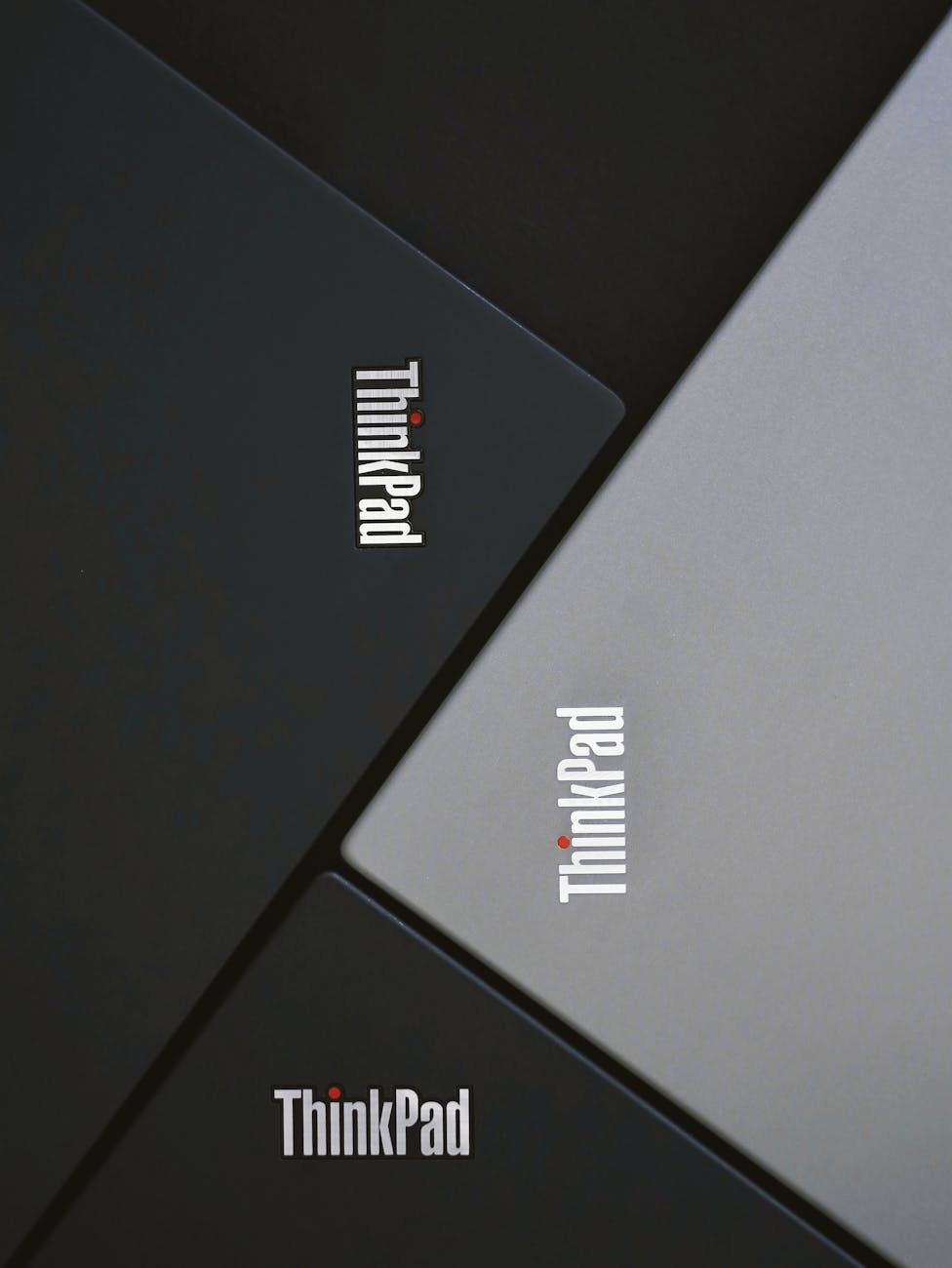
Lenovo shares jumped about 15 per cent on Thursday after Lenovo said fiscal fourth-quarter revenue rose 27 per cent to $21.6 billion, giving investors one of the clearest single-name signals yet that AI demand is showing up in hardware earnings rather than only in chipmakers’ order books.
Viewed through the market’s first reaction, the quarter delivered what bulls wanted. A PC and server maker beat expectations, the stock re-rated immediately, and the revenue mix suggested AI was moving beyond chipmakers into the device layer. Reuters said the quarter topped the $18.7 billion estimate it cited. Lenovo’s own full-year results showed AI-related revenue rising 84 per cent in the quarter and reaching 38 per cent of group revenue. For investors still looking for proof that the AI trade can travel beyond Nvidia and into downstream vendors, that combination mattered more than the headline beat alone.
A skeptic would read the same numbers differently. Counterpoint Research said global PC shipments rose 3.2 per cent in the first quarter, helped by pre-emptive buying ahead of memory-led price increases. The open question is how much of Lenovo’s blowout quarter reflects a durable AI upgrade cycle and how much was pulled forward by customers trying to buy before costs rose further.
The quarter’s detail suggests both forces were at work. Reuters said Lenovo shipped 16.5 million PCs in the first quarter, up 9 per cent, enough to lift market share to 26 per cent. Net profit attributable to shareholders rose to $521 million, up 479 per cent and ahead of estimates, while full-year revenue reached $83.1 billion and adjusted net income rose 42 per cent to $2 billion, according to the company. Those figures look like more than financial engineering or a single product launch. They show a company capturing unit growth, price discipline and a higher-value mix at the same time.
The share-price reaction was sharp because that mix can alter the earnings story. A plain PC rebound can lift a hardware stock for a session. A quarter in which AI-related revenue becomes large enough to change assumptions around average selling prices, service attachment and the server cycle carries more weight, even before the full margin evidence is visible.
What the quarter actually proved
More than strong PC sales, the quarter showed how AI could start changing the shape of Lenovo’s income statement, from device mix to infrastructure demand to services attached to the installed base.

Management framed the quarter as more than a one-product story. In its earnings release, Lenovo said the latest quarter capped its strongest year on record, with AI no longer confined to marketing language around premium laptops. Its pitch was broader: AI PCs, AI servers and the services needed to run inferencing closer to the user.
Lenovo presented breadth as the main message:
“Through firm execution of our Hybrid AI strategy, we are uniquely positioned to lead in the new wave of AI inferencing and democratization.”
Yang Yuanqing, Lenovo chairman and chief executive
From that management view, AI is a second engine rather than only an upgrade story for notebooks. Reuters said the company’s AI server order pipeline reached $21 billion, a figure that matters because it suggests the back half of the AI trade may sit in boxes, storage and enterprise plumbing as much as in accelerators. In a Bloomberg interview, chief financial officer Winston Cheng made much the same point, tying the strong AI read-through to execution rather than to a one-quarter spike.
Analysts now have a narrower test in front of them. If AI-related revenue keeps rising but remains concentrated in flagship PCs, the story stays cyclical. If the mix broadens across commercial devices, servers and services, Lenovo starts to look less like a classic low-margin hardware assembler and more like a company with several ways to monetise enterprise AI spending at once.
Enterprise buyers are asking something else. They are less interested in whether Lenovo can win the AI narrative than in whether AI PCs and attached infrastructure justify the higher invoice. So far, the quarter suggests buyers are still willing to pay for performance and timing, especially if they believe component prices will keep rising. What remains unproven is whether that willingness survives once the rush to buy ahead of memory inflation passes.
The cost curve still matters
The main brake on the bull case remains cost, not demand. Memory sits at the centre of that risk, and some of today’s strength may simply be tomorrow’s demand arriving early.

Counterpoint helps separate cyclical demand from price-led urgency, though not cleanly. Yes, the PC market is growing again, and Lenovo is taking share. But Counterpoint also said the first-quarter lift was helped by customers buying ahead of memory-led price increases. Some of that demand looks structural, because AI-capable devices and enterprise refreshes are finally translating into orders. Some of it looks tactical, because nobody wants to wait for a more expensive machine three months from now.
Reuters captured that constraint in Yang’s own words:
“Supply (of memory chips) is in heavy shortage, and the cost is growing faster.”
Yang Yuanqing, Lenovo chairman and chief executive
More than the celebratory language in the press release, that comment showed investors how much scarcity shaped the quarter alongside AI enthusiasm. For skeptics, it is the clearest caution flag. If memory costs keep climbing, some of the demand signal will turn noisy: customers may accelerate purchases in the near term, then pause after inventories are rebuilt. For enterprise IT buyers, the practical question is whether the productivity case is strong enough to absorb higher hardware costs without forcing a slower refresh elsewhere in the fleet.
More likely, spending becomes selective. Higher-spec AI machines and AI-linked servers can keep winning budget, while lower-priority fleet replacements get stretched. That is still good for Lenovo if it keeps taking share and selling into richer configurations. Even so, the market should not mistake a powerful quarter for a frictionless one.
Why the read-through matters
Beyond one Hong Kong-listed hardware name, Lenovo’s result gives investors a cleaner bridge between the chip boom and the next layer of earnings winners. Nvidia captured the infrastructure windfall first. Lenovo is now making the case that the monetisation chain is moving outward to the OEMs that package compute into corporate spending decisions.
HP and Dell are the obvious read-throughs, even if neither gets a free pass from Lenovo’s numbers. The market now has a real example of a hardware vendor posting faster revenue growth, higher AI mix and an immediate stock response in the same quarter. What it still does not have is proof that every PC maker can do the same, or that margins will expand as fast as revenue when memory costs are rising. Lenovo has given the sector a higher bar, not a blanket all-clear.
For scramnews readers, this is less a gadget-cycle story than an earnings and capital-spending one. Lenovo’s 15 per cent rally showed that investors are willing to reward hardware companies when AI demand shows up in reported numbers, share gains and pipeline data rather than in promises. The next few quarters will decide whether that signal broadens into a durable hardware rerating or fades into a pull-forward distortion created by tighter memory supply. For now, Lenovo has done something the market has been waiting for: it turned AI optimism into revenue, and revenue into a stock move too large to ignore.
Sloane Carrington
Markets columnist. Analytical pieces and deep-dives on monetary policy, capital flows and corporate strategy. Reports from New York.