Japanese retail traders hit 25% as AI rally feeds dark pools
Japan AI rally is pushing retail traders into dark pools as their share of stock turnover hits 25 per cent, complicating Tokyo price discovery.
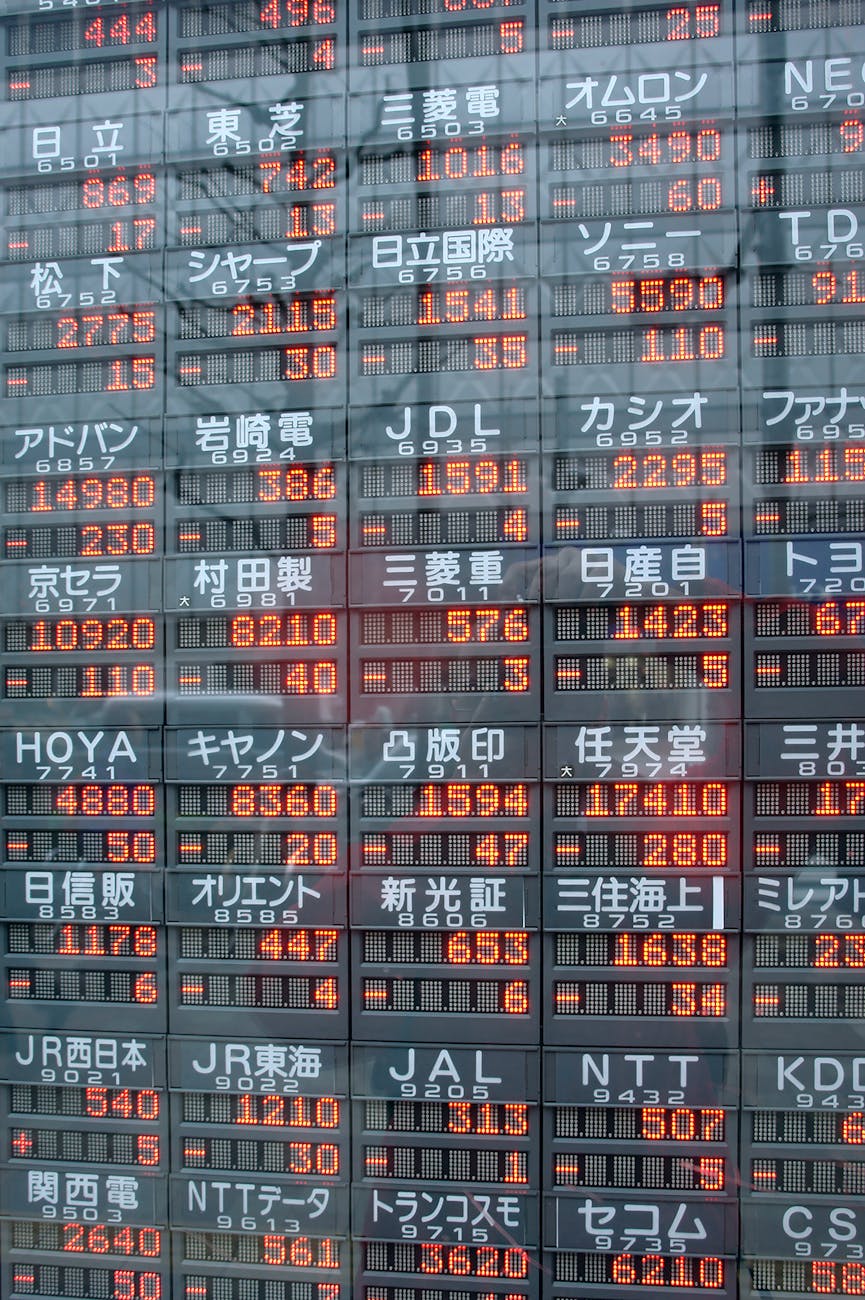
Japanese retail traders piling into AI-linked shares are turning a hot rally into a market-structure story. Their slice of Japan’s stock turnover rose to 25 per cent in fiscal 2025, the highest in 12 years, while average daily trading value on the Tokyo Stock Exchange Prime market nearly doubled over the past year. More of that money is no longer meeting the market on the exchange itself.
The deeper shift sits under the AI enthusiasm. Japan Exchange Group data show dark-pool trading accounted for 4.60 per cent of total equity activity in March 2026, up from 2.78 per cent in September 2020. The share still looks small beside lit-exchange volume, but the direction matters because retail flow has stopped being a sentiment sidebar. It is now large enough, and fast enough, to alter the plumbing through which prices are formed.
The bullish case from brokers and market operators is straightforward: smarter routing, better fills, less visible slippage. Analysts and regulators worry about something else. When more orders are matched away from the public order book, the price shown on the Tokyo Stock Exchange becomes a less complete map of where demand really sits, especially when AI-linked names are drawing short-term money from margin accounts and mobile apps. JPX’s own working paper on dark pools captures the trade-off. Off-exchange venues can improve execution, but they also leave less information visible to everyone else in real time.
Seen from outside Tokyo, the pattern is regional. Bloomberg’s reporting on Japan’s recent rotation out of some overheated AI winners and CNBC’s account of the AI boom reshuffling Asian equity leadership point to the same trade: Japan is participating in a global momentum move, not running an isolated retail fad. What makes the Japanese case more interesting is that the rally is colliding with a market already primed for heavier household participation.
Retail flow stops being a footnote
Younger investors sit at the centre of the change, and they are not behaving like passive savers. Nikkei Asia reported that retail trading value reached 847 trillion yen in fiscal 2025, up 38 per cent from a year earlier, while margin trading climbed to 618 trillion yen, up 39 per cent. That mix suggests the boom is not only about more people opening accounts, but about those accounts trading more often and with more leverage.
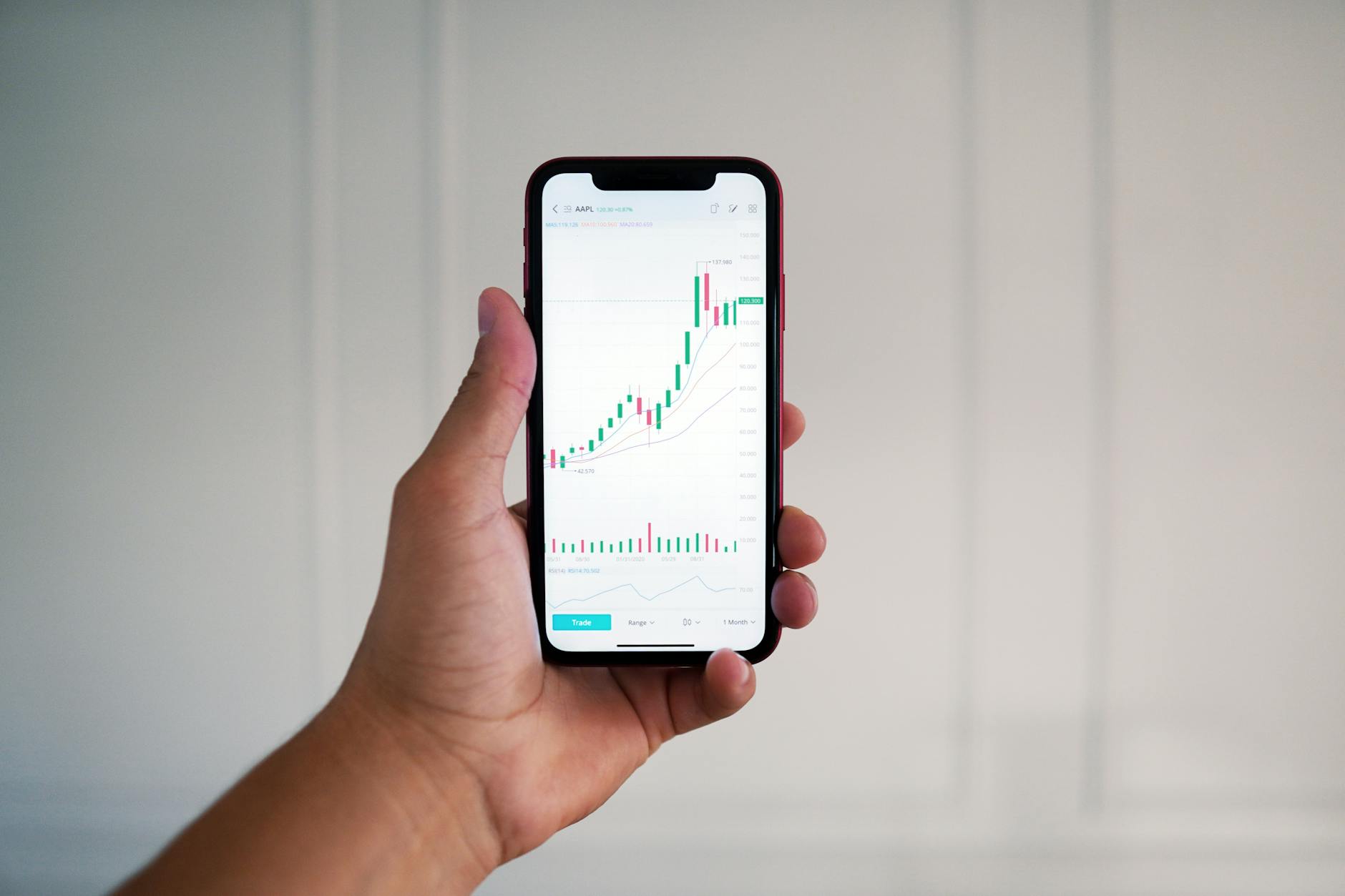
Nikkei Asia’s reporting captured that change through a 20-something day trader whose routine sounds closer to an app habit than to the old image of the Japanese household investor.
“I do it little by little on my phone in my free time.”
20-something day trader, Nikkei Asia
That helps explain why the retail surge has moved so easily into off-exchange venues. Mobile brokers and smart-order-routing systems can send orders to the destination offering the best immediate execution, whether that is the exchange, a proprietary trading system or a dark pool. Retail traders do not need to think in venue language for that migration to happen. The broker’s technology does it for them.
Matsui Securities offers a more concrete read on the shift. Nikkei Asia reported that Yusuke Masuda, head of Matsui’s marketing department, singled out younger traders and margin activity in the January-March quarter.
“In the January-March quarter, there was particular growth in investors in their 20s and 30s doing margin day trades.”
Yusuke Masuda, head of Matsui’s marketing department, Nikkei Asia
NISA and the broader policy push for household investing widened the funnel as well. AI winners then turned that broader investor base into a more active crowd. Once trading becomes frequent rather than occasional, execution quality starts to matter more. Venue choice stops being an institutional concern and becomes a retail one.
Dark pools solve one problem and create another
Off-exchange growth does not by itself signal market decay. In calm markets and in liquid names, smart routing can lower trading costs and reduce the chance that an order moves the quote before it is filled. That is the insider case for dark pools and related venues, and it is hard to dismiss when public volume is already surging.
Another clue comes from the brokerage side. One regional brokerage representative, again quoted by Nikkei Asia, put the competitive pressure more bluntly.
“Since 2010, when the TSE introduced the Arrowhead high-speed trading system, it’s been harder for human dealers to win.”
Regional brokerage representative, Nikkei Asia
The market had been moving in this direction for years. The difference now is that the same logic is being applied to a much larger body of retail flow. JPX’s monthly data show that total dark-pool share has climbed steadily since the 2020 transparency reforms. That partly answers the regulator’s question about whether the system changed materially after those rules were introduced: it did, and the increase has been persistent rather than episodic.
What the public market may lose is still unsettled. Startup Fortune’s analysis argues that hidden trading may deliver better fills while making the visible book a poorer guide to underlying demand. That is also the concern embedded in the analyst view. During a crowded AI rally, when traders are leaning into the same theme at the same time, the lit market is supposed to tell the rest of the street where conviction is building and where it is thinning out. If more of that adjustment happens away from the visible quote, price discovery becomes less transparent just when investors most want clarity.
JPX’s own research is more measured than alarmist. The exchange group’s working paper suggests market-quality effects depend on the mix of liquidity, volatility and trader behaviour. That nuance matters. The likely outcome is not a binary choice between clean markets and broken ones, but a more fragile balance in which execution improves for some participants while the broader market sees less of the order flow shaping the move.
AI is the accelerant
AI is the accelerant here, not the root cause. Japan’s chip, data-centre and AI-adjacent names have given retail investors a sector story that is easy to understand and quick to trade.
Regionally, that has added urgency. CNBC reported that Goldman Sachs saw a North Asia advantage built partly on AI exposure, with Japan grouped alongside Taiwan and South Korea in the beneficiaries of that trade. Bloomberg’s broader analysis of momentum stocks made the same point from another angle: AI is not only lifting individual companies, it is changing where global momentum capital wants to sit.
Timing matters for one reason. If the move into dark pools were being driven only by a one-off domestic reform story, the structural implications would be easier to discount. Instead, the venue shift is arriving during a cross-border surge in AI-linked speculation. The hotter the theme, the more traders care about getting into and out of names quickly, and the more attractive off-exchange execution can look.
Japan also enters the AI trade with a deeper local equity story. CNBC’s reporting on Berkshire Hathaway’s continuing interest in Japan and recurring coverage of corporate-governance reform have kept global attention on the market. AI frenzy, in other words, has landed on top of an existing rerating of Japanese equities. Retail investors are not inventing the rally. They are amplifying its speed and, increasingly, changing its route.
What Tokyo’s next test looks like
The next serious test for Tokyo will not come on a calm up day. It will come when an AI favourite misses expectations, when bond yields jolt higher or when global momentum funds reverse. In those sessions, Tokyo will have to find out whether a larger off-exchange ecosystem helps absorb the shock or leaves the public order book looking thinner than the underlying market really is.
So far, the evidence still cuts both ways. Retail participation is broader, younger and more leveraged than it was a year ago. Off-exchange volume is still a minority of activity, but it is rising steadily. Brokers can argue that this is simply the Japanese market catching up with global execution technology. Analysts and regulators are right to say something else as well: once a quarter of turnover comes from households, the way their orders reach the market is no longer back-office detail.
That is why the story belongs in market structure as much as in stocks. Japan’s AI rally may eventually cool, just as every concentrated theme does. The routing habits built during it may last longer. If they do, Tokyo’s public price signal will increasingly describe only part of the action, and retail traders will have helped redraw one of the world’s largest equity markets without ever needing to name the venue on the other side of the trade.
Sloane Carrington
Markets columnist. Analytical pieces and deep-dives on monetary policy, capital flows and corporate strategy. Reports from New York.