Ghana gold purchases rise to 30% of mine output in June
Ghana gold purchases will rise to 30% of large mines' output as the central bank builds reserves and pushes more doré into local refining.
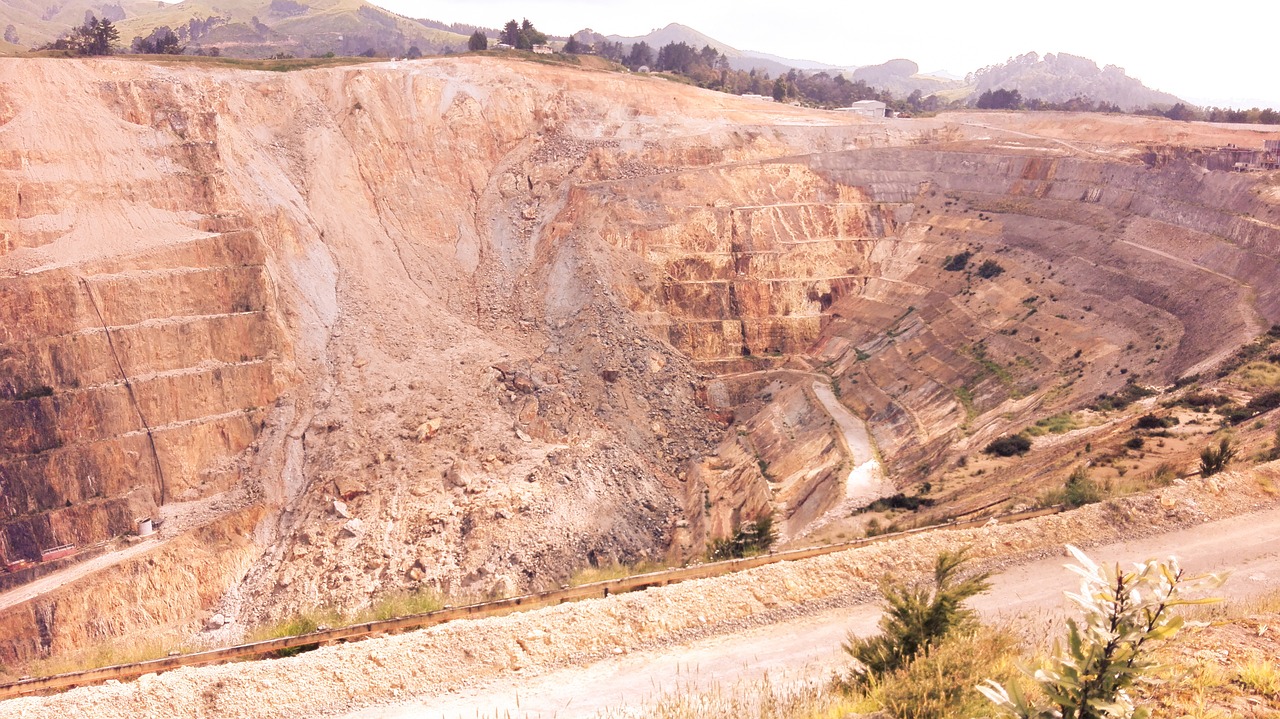
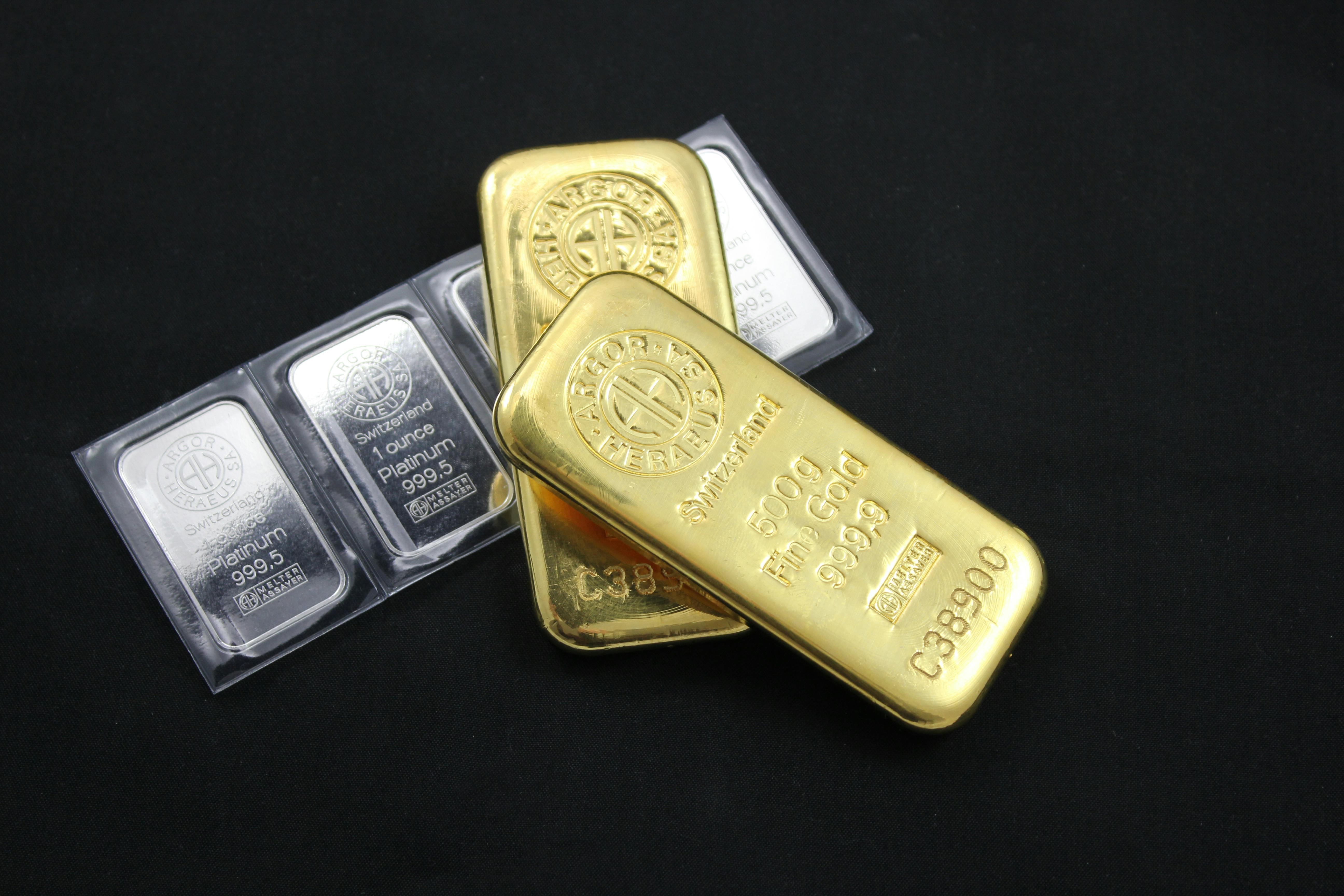
Ghana’s central bank will raise planned gold purchases from large-scale miners to 30 per cent of their output from June 1, up from 20 per cent, as Africa’s biggest bullion producer channels more domestic metal into official reserves.
The change gives Accra another way to strengthen a balance sheet still exposed to currency pressure and external funding costs. Gold that might have moved straight into export sales will first pass through the Bank of Ghana, adding hard assets at a time when several emerging-market authorities are trying to limit their dependence on dollar liquidity.
Paul Bleboo, head of gold management at the Bank of Ghana, said the higher target would cover annual output from large mines. The bank wants the metal delivered as doré, the semi-refined bars produced at mines before final refining.
“This time, we intend to negotiate for 30% of annual production … with the entire 30% to be delivered in dore form.”
Paul Bleboo, Bank of Ghana
Bleboo told Reuters the shift is meant to lift reserves after Ghana’s central-bank gold holdings stood at 19.2 metric tons in February. Reuters also reported that the bank is targeting 157 tons by 2028, a large increase that would need a steadier pipeline of locally sourced bullion.
That makes the purchase formula more than a mining rule. Ghana has the ore, but the central bank still has to buy it on terms miners, exporters and the state can live with. A larger offtake share can support reserves if settlement is prompt and pricing tracks international markets. Discounts or payment delays would quickly turn the programme into another pressure point for an industry Ghana relies on for foreign exchange.
Execution is the test.
Reserve pressure
The central bank’s own accounts add urgency. Reuters reported that the Bank of Ghana posted a 2025 operating loss of GHS15.6 billion, or about $1.37 billion. Bigger gold reserves would not undo that loss, but they could improve the asset side of the balance sheet while policymakers manage currency volatility and the after-effects of domestic debt restructuring.
Local processing is the second part of the plan. The Bank of Ghana says the shift to doré should support refining capacity and jobs, according to Bloomberg. In practice, more of the country’s metal would pass through domestic hands before it becomes internationally tradable bullion.
Miners will be watching the details. Large producers plan sales, shipping and working capital around global contracts. If the central bank pays quickly and near market prices, the higher share may be absorbed as a larger domestic buyer. Administrative delays, lower prices or bottlenecks would make the programme harder to carry.
Industry talks therefore matter as much as the 30 per cent headline. The Ghana Chamber of Mines, which represents large producers, is a key counterpart because its members must weigh state demand for bullion against export obligations, operating costs and shareholder expectations.
Gold’s place in Ghana’s policy mix has shifted. For a commodity exporter, domestic metal is not only a source of tax revenue and foreign-exchange receipts. On the central bank’s books, it becomes a reserve asset, a signal to creditors and a buffer when external financing tightens. Ghana is trying to keep more of that value inside the official sector.
June 1 gives the market little time to adjust. If the Bank of Ghana can buy the extra metal without unsettling mine economics, the programme offers Accra a clearer route to larger reserves and a small lift for domestic refining. If the terms are too heavy, the reserve push could become another cost for a sector Ghana cannot afford to strain.
Reza Najjar
Commodities desk covering oil, natural gas, gold and base metals. Reports from London.