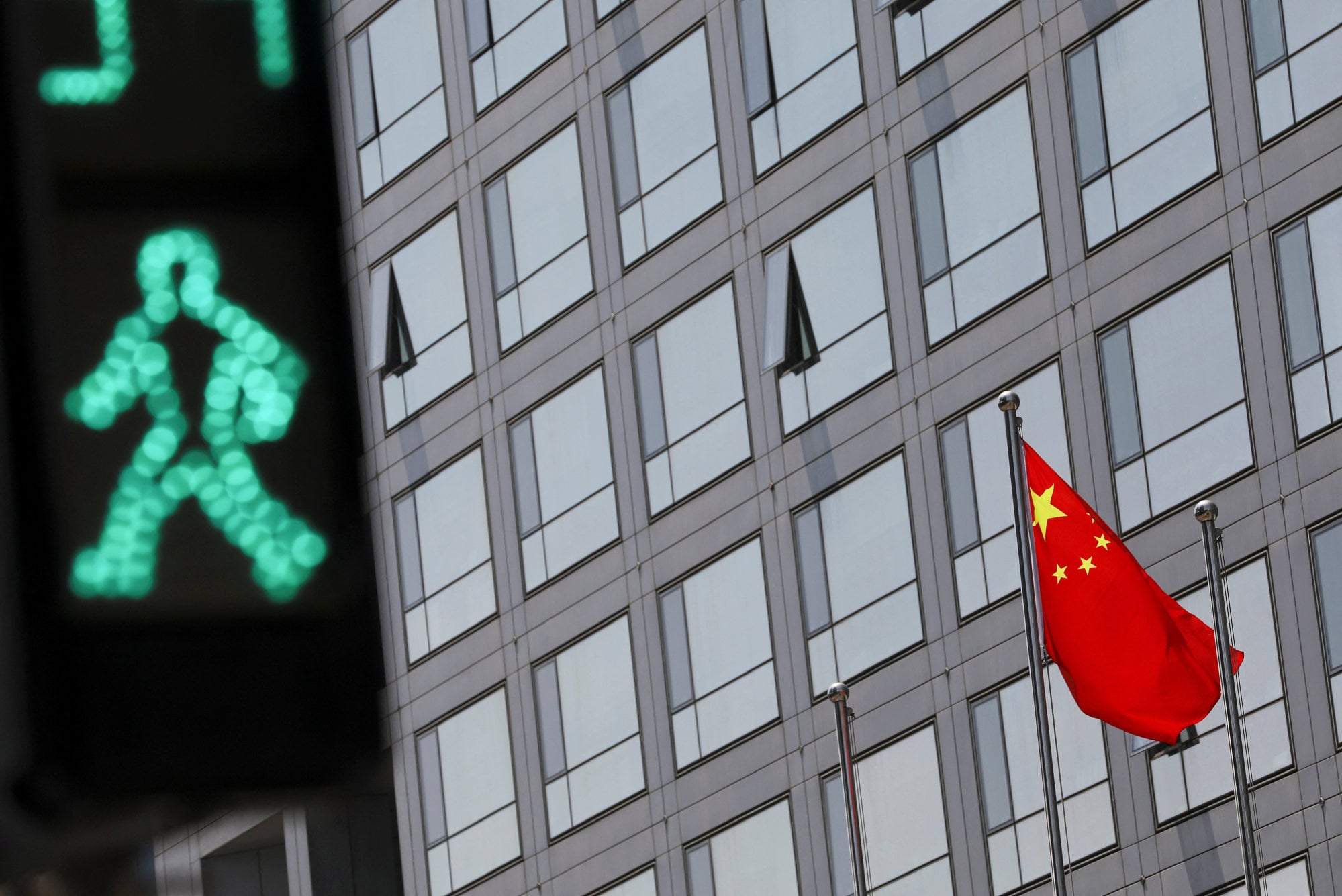
China broker crackdown wipes $1.7bn from Futu founder
China's broker crackdown erased $1.7 billion from Futu founder Leaf Li and turned mainland offshore accounts into a sell-only runoff.
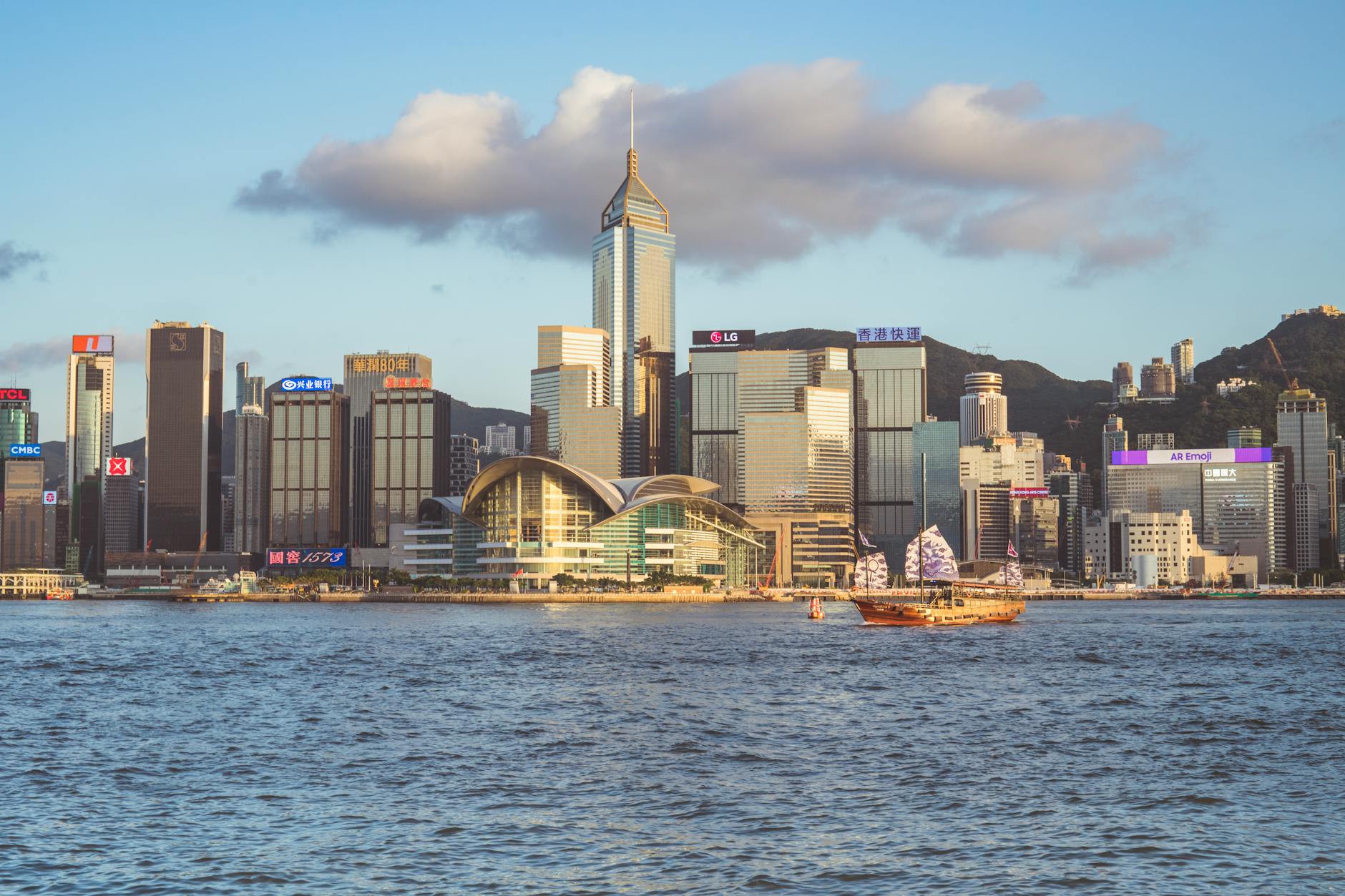
A Chinese effort to shut one of the mainland’s easiest offshore trading valves is now hitting fortunes as well as flows. Futu Holdings founder and chief executive Leaf Li lost $1.7 billion in a day after Beijing tightened its campaign against illegal cross-border brokerage business, turning what began as a regulatory story into a visible market-price event.
For Beijing, the billionaire tally is almost beside the point. The state is trying to close a route that let mainland money reach Hong Kong and other overseas markets outside the official quota systems it prefers to supervise. For investors, the more useful read is that policymakers are prepared to let listed brokers, their founders and their fee pools absorb real damage if that is the cost of tighter control over capital leaving the country.
Equity analysts are reading the same order through a narrower lens. The broad Hong Kong market can probably stomach the headline asset figure, but Futu, Tiger Brokers and smaller firms built around mainland demand face a harsher reset because the crackdown hits the part of the franchise that generated repeat trading, margin balances and client growth. This looks less like a one-off fine than a change in what those businesses are allowed to be.
Mainland clients have their own problem. A platform designed for continuous overseas trading now looks like a queue for exits and withdrawals. Bloomberg reported that traders were rushing to find alternative ways to buy overseas equities as the rules tightened, which suggests the crackdown is likely to do two things at once: shut the broker loophole Beijing dislikes while pushing demand toward sanctioned channels such as Stock Connect and Qualified Domestic Institutional Investor quotas.
Why the runoff matters
The China Securities Regulatory Commission’s statement matters because it describes a wind-down, not a warning. Regulators said Futu, Tiger and Longbridge must stop adding mainland clients, unwind mainland-facing infrastructure and keep existing accounts in a transition mode where activity narrows sharply.
“Only sell orders and capital withdrawals will be permitted.”
— China Securities Regulatory Commission

Set beside the proposed 1.85 billion yuan penalty for Futu, that sentence explains why the market reaction has been so severe. Fines can be modeled and ringfenced. A sell-only book is different. It turns an active growth engine into a shrinking pool of assets, commissions and financing income, then leaves management to prove that new businesses can replace what regulators are dismantling.
Citic Securities’ estimate that the crackdown could affect HK$250 billion of Hong Kong assets shows the scale of money that passed through these channels. Even if that figure does not become forced selling dollar for dollar, it still frames the value of the conduit Beijing is trying to close. Headcount alone also understates the exposure. Mainland investors accounted for about 13 per cent of Futu’s total client base, according to Hong Kong Free Press and AFP, but those customers were disproportionately valuable because cross-border traders tend to be active, fee-generating clients when offshore tech names, US ETFs and Hong Kong listings are in demand.
History makes the official language more important, not less. Futu had already stopped opening accounts for applicants with mainland Chinese identities after earlier pressure in 2022. What Beijing unveiled this month goes further: a two-year cleanup campaign that treats the old workaround as a structural breach to be unwound. Investors still valuing these brokers as if the mainland-facing business can simply regrow once the headlines fade may be using the wrong template.
Where mainland money goes next
Approved channels are the most obvious answer to the question traders are asking now, but they are not perfect substitutes. Stock Connect is supervised and bounded by the structure Beijing already accepts. QDII quotas depend on regulatory capacity and allocation. Offshore broker apps, by contrast, offered speed, convenience and a much more retail-friendly route into foreign stocks. That is why the sell-only order can close the loophole without killing the demand that created it.

Kelvin Lam told Hong Kong Free Press that Beijing’s objective is to ensure overseas branches of these companies do not keep taking mainland funds for offshore investing.
“What China is trying to do at the moment is to make sure no overseas branches of these companies… take funds out of Chinese investors and help them to invest overseas.”
— Kelvin Lam, quoted by Hong Kong Free Press
Taken literally, that stance implies a hierarchy rather than a ban on outward appetite. Beijing still allows money to go out through doors it can meter. The crackdown is aimed at the unsanctioned doorway: Hong Kong-linked brokers and support systems that blurred the line between offshore access and onshore controls. Mainland traders may keep seeking foreign exposure, but they are being pushed toward channels where quotas, approvals and surveillance are easier for the state to manage.
Not every mainland client will dump shares immediately. Existing holders can still choose when to sell, and some will wait rather than crystallise losses or abandon favoured offshore names at once. That points to a slow runoff rather than a single forced liquidation, which is why the broad Hong Kong market may avoid a disorderly dump even if the brokers’ revenue lines deteriorate much faster. Clients can delay the sale; the platform cannot replace the client.
Slow runoff does not mean mild damage. Broker valuations were built on customer acquisition, activity and the chance to cross-sell margin finance, wealth products and IPO access. Once new mainland accounts stop and existing ones can only shrink, the math changes from growth to attrition. Revenue can fade without a dramatic market shock because the balance that matters is not only what clients own today, but how much trading and borrowing they would have done tomorrow.
What investors are repricing
The market-wide fallout, then, is probably smaller than the damage to the broker franchises themselves. Citic’s asset estimate is large, yet Hong Kong still has multiple pools of institutional and international capital. Concentration is the story. Futu and UP Fintech options volumes surged before the initial crackdown announcement, and the subsequent slump showed how quickly regulatory risk can overwhelm what had looked like durable high-growth online brokerage models.
Investors are not just repricing one enforcement action. They are repricing the assumption that Beijing would tolerate grey-zone outbound access so long as the businesses stayed profitable and politically quiet. Bloomberg’s earlier report on the planned penalties already pointed to a sharp turn. The wealth hit to Li and the rush by clients to reroute trades make the economic cost of that turn harder to dismiss.
Hong Kong’s role in Chinese capital flows also looks slightly different after this episode. For years, the city offered not only formal links to the mainland but also a buffer zone where financial innovation, brokerage marketing and regulatory arbitrage could coexist. Beijing is now making clear that the buffer works only when it serves state-approved plumbing. Once an offshore conduit starts to look like a capital-flight valve, tolerance disappears fast.
A one-day loss of $1.7 billion does not tell investors exactly how much value will ultimately be stripped from Futu or its peers. It does reveal something more durable about the policy backdrop. China is willing to trade market capitalisation, founder wealth and a slice of Hong Kong brokerage revenue for tighter control of outbound money. For shareholders, that is the number beneath the number.
Sloane Carrington
Markets columnist. Analytical pieces and deep-dives on monetary policy, capital flows and corporate strategy. Reports from New York.