Thames Water rescue math shifts as politics reprices the deal
Political uncertainty is no longer background noise for Thames Water's rescue. It is changing how creditors price the deal, the regulatory trade-offs and the odds of a durable recapitalisation.
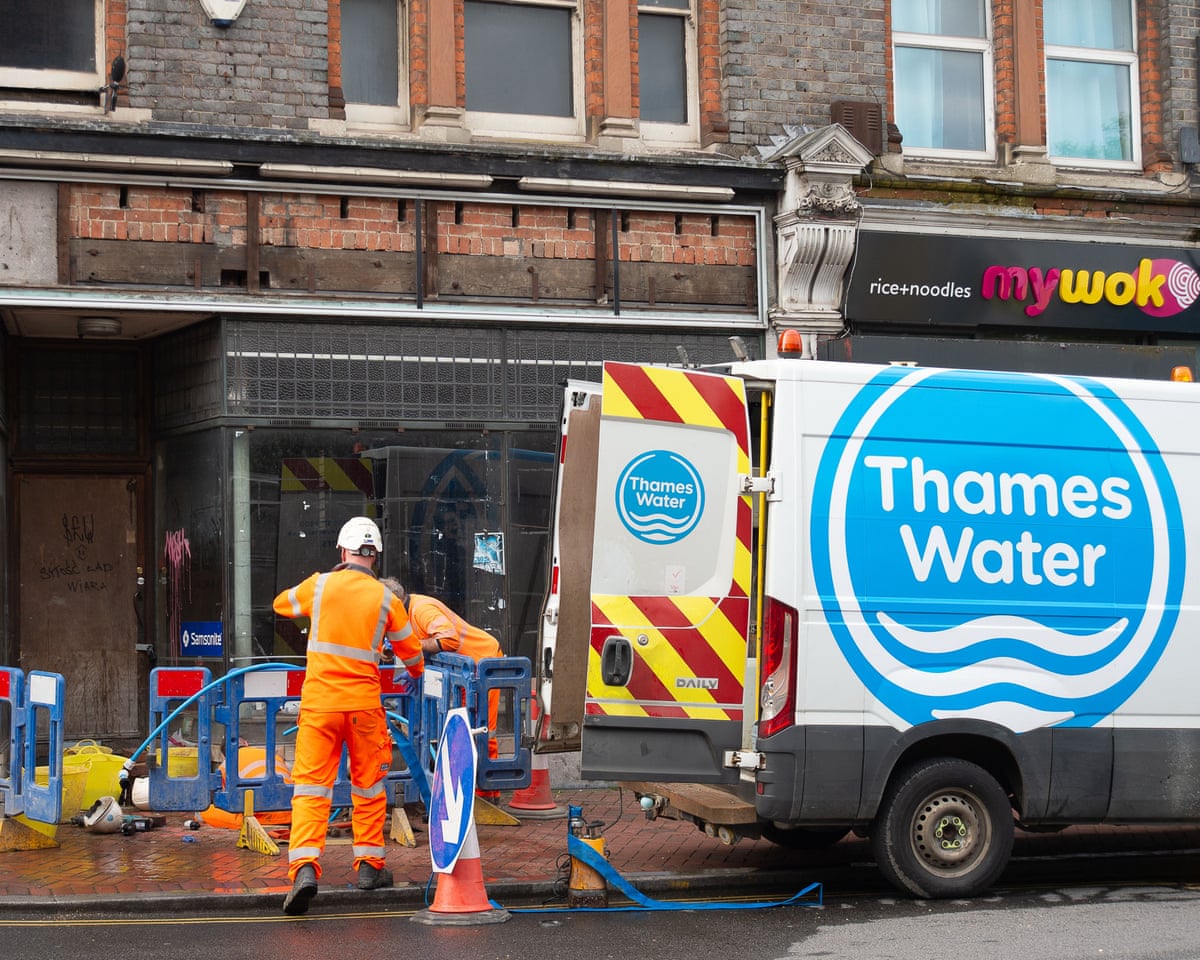
Thames Water is no longer just a distressed-utility story. The company’s proposed rescue has turned into a live test of how quickly political uncertainty can reprice a financing when the borrower is systemically important, heavily regulated and too politically exposed to be treated like an ordinary balance-sheet workout.
Underneath the Westminster drama sits a more familiar credit question. The Guardian reported that potential investors fear a change in prime minister could reopen the ownership debate and revive pressure to bring water assets back under public control. For creditors weighing how much fresh capital to commit, that does not read as background noise. It reads as deal risk.
Creditors are already being asked to believe that a new capital structure can stabilise a business burdened by £17.6 billion of debt built up after privatisation, according to the Guardian’s reporting. They are also being asked to trust that regulators and ministers will tolerate the compromises needed to keep the company out of special administration. Once politics starts shifting around those assumptions, the price of the rescue changes even if the legal paperwork has not.
In a March recapitalisation update, a Thames Water spokesperson said London & Valley Water’s proposal would inject £3.35 billion of new equity, add up to £6.55 billion of new debt and leave the company with day-one net debt at 52 per cent of regulatory capital value. In a normal restructuring, those figures would be the centre of gravity. Here they are only part of the equation, because the state is not a distant referee. It is one of the variables creditors are trying to price.
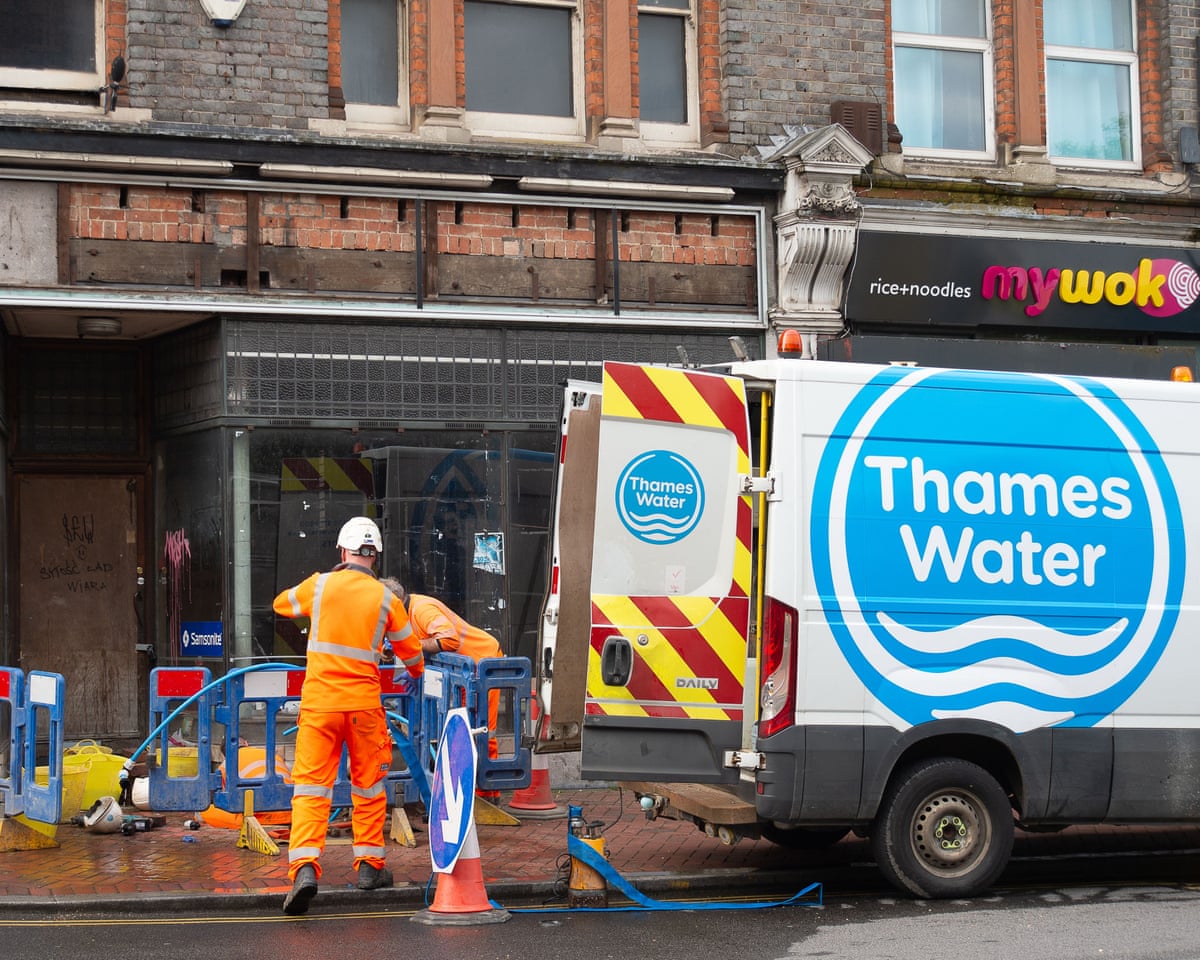
Why politics now sits inside the term sheet
Viewed simply, the rescue is a fight over who absorbs Thames Water’s losses. Creditors want a structure that protects the continuity of an essential utility without forcing them to underwrite open-ended political risk. Government, regulators and billpayers want continuity too, but not on terms that look like private recovery supported by public leniency.
One clue sits in the language officials are now using. The Guardian quoted a senior source in the environment department saying: “Things are changing every day - it’s very uncertain.” Remarks like that matter because rescue financings depend on confidence that the policy backdrop will hold long enough for new money to settle. If investors begin to think a successor government could revisit ownership, investment obligations, fines or administrative oversight, then the financing stops being a straightforward capital injection and starts behaving more like an option on political stability.
Earlier in the year, Reuters reported that Thames Water was seeking to unlock additional funding while it worked through its restructuring options. The company had previously received £3 billion of emergency funding from creditors, according to the Guardian. That bought time, but it did not solve the deeper problem: Thames Water still needs a capital structure that both markets and the state can live with.
Ofwat’s financial resilience report sets out the wider regulatory backdrop. Water companies can no longer assume that high debt loads, weak governance and poor operational outcomes will be treated as separable problems. For Thames Water, that means the rescue cannot be judged only by whether enough cash turns up. It will also be judged by whether the post-deal company looks governable.
The rescue is really about loss allocation
Public-ownership politics matters because it changes the value of the creditor fix after the cheque is written. Credit investors are not simply asking whether the company can avoid collapse. They are asking whether a creditor-led solution leaves them owning a business whose regulatory and political obligations keep changing after the deal closes.
From the creditor side, the logic is easy to understand. If London & Valley Water is genuinely offering a faster route to stabilisation without taxpayer funding, as the company said in its March statement, then delay is expensive. Every extra week invites more scrutiny of fines, dividend lockups, investment promises and the possibility of a government-run special administration. In distressed deals, time is rarely neutral. It usually shifts bargaining power to the party with the stronger alternative.
Ministers and regulators, though, have their own logic. BBC reporting on the rescue debate highlighted criticism that Thames Water could be “sleepwalking” into a bad deal for customers. That gets to the core political difficulty. If officials appear too eager to bless a creditor rescue, they risk being accused of socialising downside while preserving upside for financial sponsors.
Seen through that lens, environmental enforcement and capital structure are no longer separate conversations. Softer treatment on fines, looser sequencing on investment or a more forgiving stance on regulatory commitments all have economic value. They are not side concessions. They are part of the package investors are trying to secure, whether or not the final term sheet describes them that way.
Another fact makes the dispute harder to contain. Thames Water is not a cyclical manufacturer or a venture-backed technology group that can be restructured quietly. It is an essential utility whose failures show up in household bills, river pollution and national politics.
What markets should take from it
For scramnews readers, the important takeaway is not whether one British utility gets a rescue over the line this month or next. Political uncertainty is increasingly part of the valuation framework for essential-infrastructure deals. A rescue can look numerically credible and still remain fragile if the ownership model itself is politically contested.
More broadly, Thames Water has become a case study in how rescue financings are repriced when the state is both counterparty and backstop, even if it never writes the cheque. The £3.35 billion of equity, the potential £6.55 billion of new debt and the 52 per cent gearing target matter. But so does the probability that ministers, regulators or a new prime minister decide those terms are no longer politically saleable.
Ultimately, the market is not really asking whether Thames Water can find money. It is asking who can commit credibly enough to make that money stay. Right now, the answer appears less certain than the capital stack alone would suggest.
Naomi Voss
Banks and deals reporter covering bank earnings, fintech, M&A and IPOs. Reports from New York.