Standard Chartered (STAN.L) targets 7,000 job cuts in AI efficiency push
Standard Chartered tied a plan to cut more than 7,000 jobs to higher return targets, pitching AI as a route to stronger bank profitability rather than a simple cost-cutting tool.
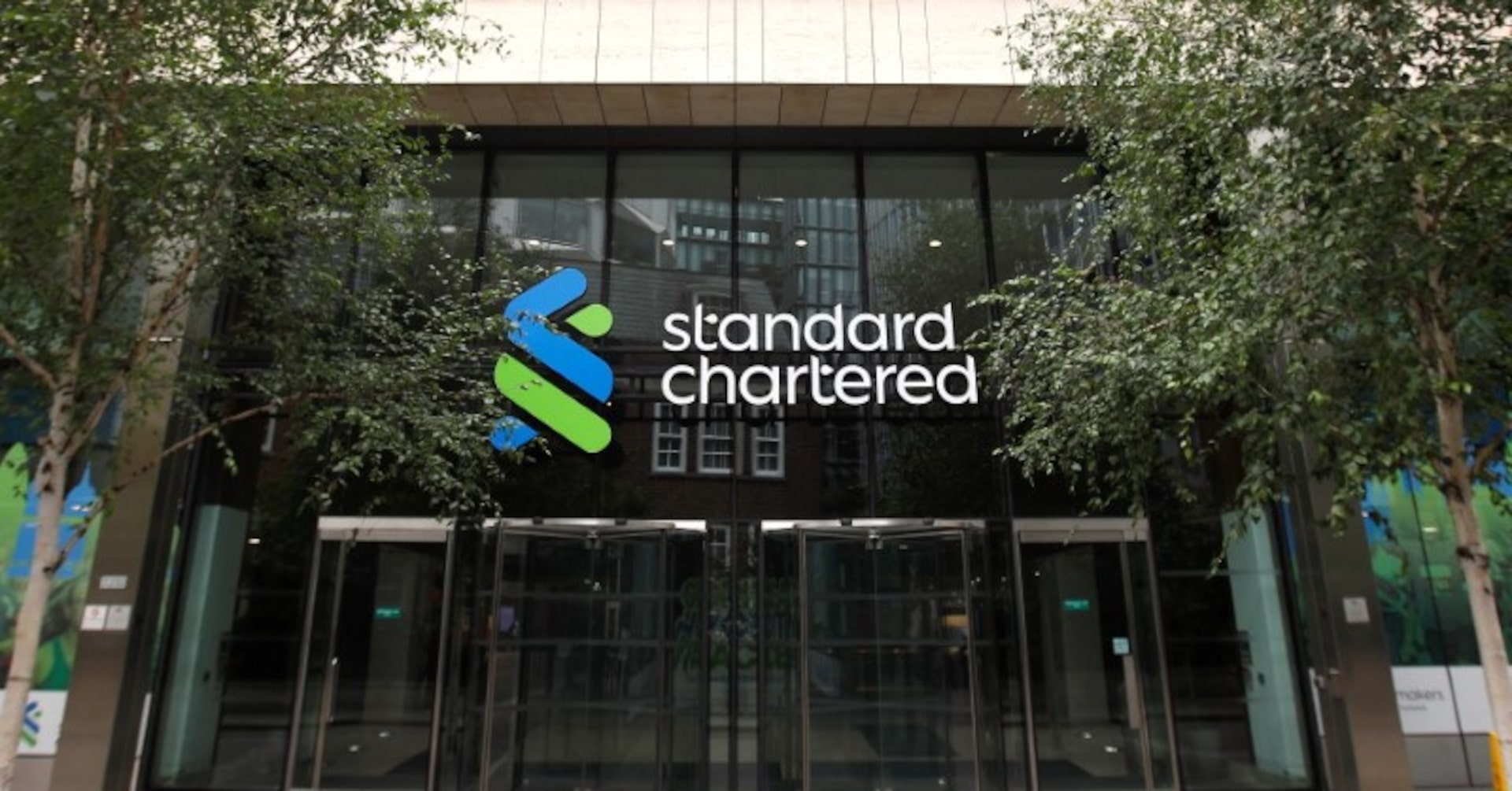
Standard Chartered (STAN.L) plans to cut more than 7,000 jobs by 2030, or about 15 per cent of its corporate-function roles, the bank said Monday. Its London-listed shares rose 1.75 per cent to 1,921.5 pence after management also raised return targets — above 15 per cent on tangible equity in 2028, about 18 per cent in 2030. Headcount cuts plus higher return goals: the announcement landed as a profitability reset, not a technology briefing.
That matters because return on tangible equity is one of the numbers bank investors fixate on when judging capital efficiency. Standard Chartered tied the two together deliberately. Job cuts fund the automation investment; higher returns are the payoff management is promising shareholders. The message is that software spending is supposed to change how the bank earns over several years, not just trim a few basis points from the cost ratio.
Bill Winters, the chief executive, was blunt. He told Reuters the programme was not conventional retrenchment. “It’s not cost-cutting. It’s replacing in some cases lower-value human capital with the financial capital and the investment capital we’re putting in,” Winters said. He wants investors to read the cuts as a funding line for systems investment — an argument that only works if the savings stick and the technology delivers measurable throughput gains.
The bank has about 80,000 staff globally, Reuters reported. A reduction above 7,000, even phased over several years, is large enough to move the support-cost base. The Financial Times noted the strategy is meant to “drive sustainable growth” at the Asia-focused lender. Management is signalling it sees real duplication inside support functions, and that AI spending is an operating-discipline play for a sprawling cross-border franchise.
Why the return targets matter
The bank’s own language points the same way. BBC News cited a company statement that framed the effort as scaling “practical uses of automation, advanced analytics and artificial intelligence” to streamline processes, improve decision-making and enhance client service. The 15 per cent cut applies to corporate-function roles, not the whole workforce. That keeps the focus on internal processing and controls, away from the revenue line. Push more routine work into software, the argument goes, and you contain support costs while protecting the parts of the franchise that still run on human judgement.
Support functions are one of the rare places a big bank can cut without implicitly arguing demand is softening. Standard Chartered pitched the move as something other than a growth retreat — the staff reductions are tied to medium-term return targets that rise over time. For equity holders the arithmetic is straightforward: capital goes into automation now, headcount comes down later, profitability improves by the end of the decade. The shares rose 1.75 per cent on the day, enough to show investors liked the direction but not so much that execution risk is priced out. Back-office work is where compliance, operations and client-onboarding problems appear first, and savings that read cleanly on a slide can prove stubborn inside a regulated institution. Investors tend to reward cost plans after they appear in quarterly margins, not before.
The return targets are what give the plan its weight.
A bank does not commit to return on tangible equity above 15 per cent in 2028 and about 18 per cent in 2030 unless management is confident the cost base can shift permanently. The pitch is simpler than a tech-disruption narrative: software, deployed at scale, can convert support spending into higher returns. Standard Chartered wants the market to read AI as a balance-sheet tool, not an innovation pageant.
Execution will settle it. If the bank starts breaking out restructuring charges, technology spending and productivity gains, investors get a better lens on the targets. If the disclosures stay thin, the share-price response probably stays restrained even with a seven-thousand-job headline. The strategy only pays for shareholders when the savings look durable and the reinvestment case stays visible.
That is the wider signal. Standard Chartered is arguing, unusually directly, that technology investment can pull expenses out of a large international bank and lift returns at the same time. Rivals now face more pressure to show how their own automation budgets translate into returns instead of slide decks. AI adoption is shifting from pilot-programme language into the harder register of targets, capital and payback.
Naomi Voss
Banks and deals reporter covering bank earnings, fintech, M&A and IPOs. Reports from New York.