Wall Street presses Gulf expansion despite Iran war
Asset managers and hedge funds are still building in Abu Dhabi and Dubai despite the Iran war, signalling that Gulf capital remains too important for global firms to ignore even as deals slow and risk premiums rise.
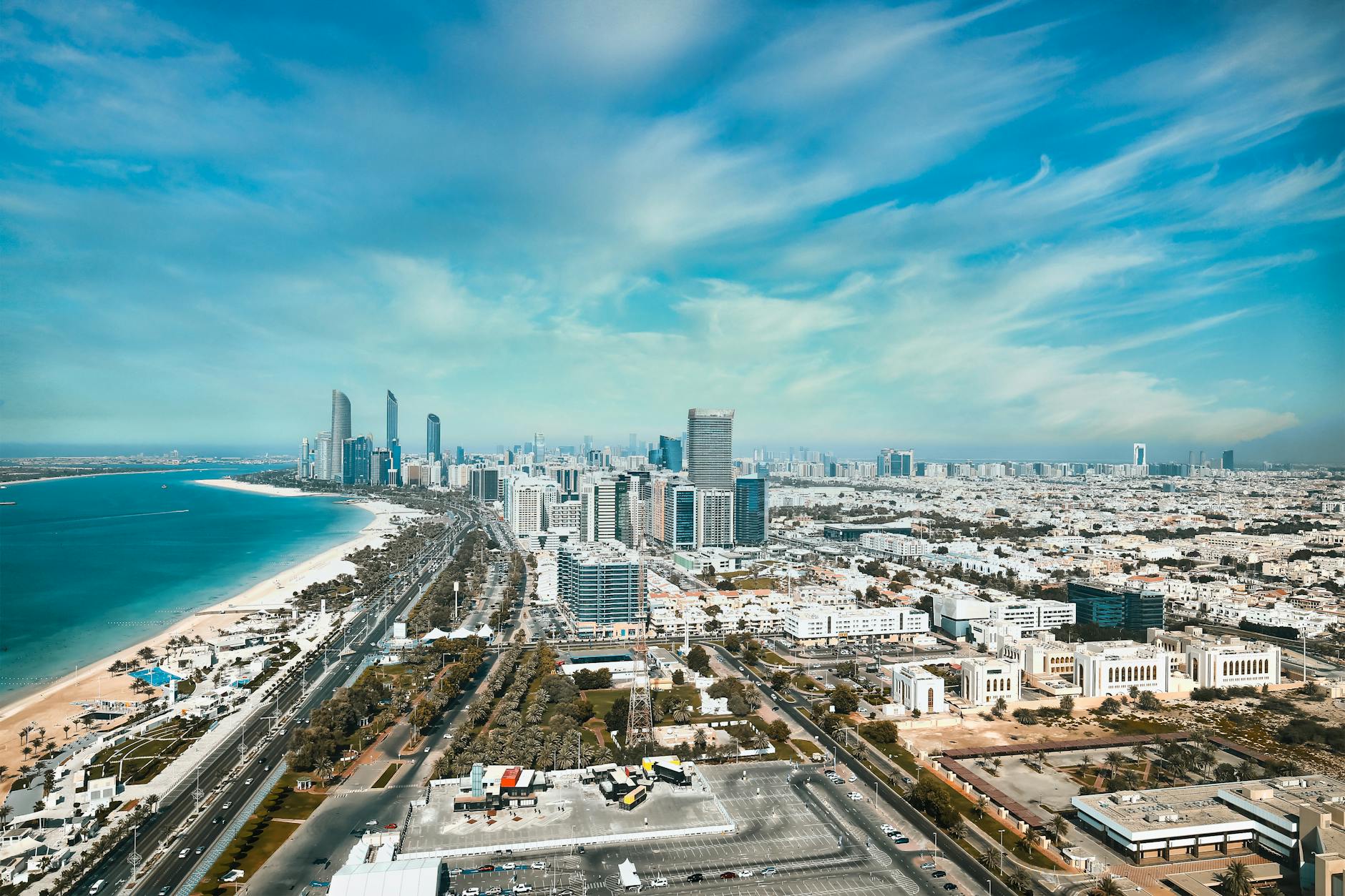
Wall Street is still expanding in the Gulf. Asset managers and hedge funds keep opening offices in Abu Dhabi and Dubai despite the Iran war, betting the region’s sovereign capital pools are too large to service from a distance. FT reporting on the dealmaking slowdown and Zawya’s account of asset managers flocking to Abu Dhabi converge on the same point: war has made committees more cautious, lifted costs and slowed execution. It has not cleared the pipeline of firms that want a seat near sovereign money.
Something structural has shifted in the way markets price Gulf exposure. Abu Dhabi and Dubai have become distribution hubs for private credit, hedge funds, infrastructure strategies and long-dated sovereign mandates. Opening an office means buying access to clients whose balance sheets can keep deploying through a cycle. What sets the region apart is the size of the pools. ADIA, Mubadala and L’IMAD together oversee roughly $2tn, according to the Zawya report on new manager arrivals. Reuters reported in March that about $5tn of Gulf sovereign assets were under review. Investment committees are repricing risk, sequencing commitments and asking managers to justify timing. Nobody is pulling the plug. They are stretching the calendar.
Transaction data is where the friction registers first. Gulf investment-banking revenues fell 14 per cent in the first four months of the year, the Financial Times reported, and about $106bn of North American and European deals were still waiting for Gulf commitments. Kapil Jobanputra, founder of Elaeo Partners, told the FT that “the real challenge is that processes are broadly on hold.” Wartime uncertainty seeps into diligence, legal work, board approvals. A sovereign allocator can wait another quarter to sign a mandate. The manager chasing that relationship still needs the office, the staff and the local regulator conversation in place before the call comes.
Pricing has already moved. An unnamed banker told the FT that “the cost of capital has changed, the pricing has changed.” Higher shipping risk, firmer energy prices and a wider geopolitical premium feed into asset valuations and financing terms. Banks get thinner fee visibility. Private-market managers find that purchase prices, hurdle rates and syndication plans need another pass. Hedge funds inherit a landscape where volatility itself is part of the opportunity set — oil, currencies, freight-linked equities and credit spreads all shifting on the same headline. A manager with a Gulf office is closer to local corporates, sovereign desks and the wealthy families who often see the region’s stress before it surfaces cleanly in benchmark data.
Hiring tells you the rest. A firm can defer a launch party or slow a team build. Explaining to clients why a competitor secured the meeting, the licence and the talent pipeline first is much harder. The sharper market story is not about any single delayed IPO or advisory mandate. It is about where firms expect the next durable pool of capital to be intermediated. Their answer still includes the Gulf.
Capital waits, then deploys
March reporting from Reuters showed that some Gulf states were reviewing sovereign investments to offset the economic shock from the Iran war. Jahangir Aka, founder of Aka & Associates, said the more likely outcome was “a slowing in the pace of new commitments.” Slower commitments can squeeze fundraising calendars and freeze marginal deals. The long-term asset-allocation logic that made Abu Dhabi and Dubai magnets for global finance has not changed.
Geopolitical stress tends to arrive in two phases. Phase one is blunt. Energy spikes, airlines and logistics names wobble, insurance costs jump and investors pull back from anything with uncertain timing. Phase two is more selective. Capital starts sorting between assets whose cash flows are directly exposed to conflict and assets whose valuations simply cheapened in the panic. The Gulf’s financial centres appear to be in that second phase. War has made the region harder to underwrite in the short run, but it has also reminded global firms how much capital still originates there — and how quickly that capital can shape outcomes in foreign deals, fundraises and listed markets.
Wall Street firms keep one eye on current disruption and the other on next year’s mandates. Sovereign wealth funds are multi-cycle investors. They stretch timetables when energy routes are under pressure or policy visibility is poor, then move quickly when dislocations create entry points. Missing a regional presence means missing both conversations. Having one means spending the lull building relationships, refining products and waiting for committees to reopen.
In May, the UAE Banking Federation chief dismissed concerns about capital flight tied to the Iran war. Financing costs and market sentiment are strained. But the local banking system and financial authorities still believe the region’s core funding base is stable enough to absorb a shock without a rush for the exits. For external managers, that distinction carries weight. Stable funding supports the case for staying close.
Why the Gulf keeps its pull
Earlier this month, Bloomberg reported that the ongoing Iran war was testing Wall Street’s dependence on Middle East money. The dependence cuts both ways. Gulf investors want global diversification, manager access and co-investment channels. Global firms want capital, distribution and a seat at the table when regional money is allocated across private credit, infrastructure, secondaries and public markets. Conflict makes that interdependence more visible by raising the regional risk premium.
What this reframes is how financial markets treat geopolitical risk in 2026. Firms are discounting cash flows harder, demanding wider margins of safety and delaying transactions that need calm conditions to clear. They are also spending money on people and licences in the very region generating the uncertainty. That is a market signal worth taking seriously. Large allocators and the intermediaries chasing them are treating the conflict as a variable to price into return expectations, staffing plans and deal timetables — not as a reason to leave.
The story here is not about bravery. It is about market structure. The Gulf has become too central to cross-border capital formation for global managers to cover it from London or New York alone. Offices in Abu Dhabi and Dubai function as part sales platform, part intelligence network and part option on future flows. The war has raised the hurdle rate for everyone. The queue for access has not shortened.
Sloane Carrington
Markets columnist. Analytical pieces and deep-dives on monetary policy, capital flows and corporate strategy. Reports from New York.