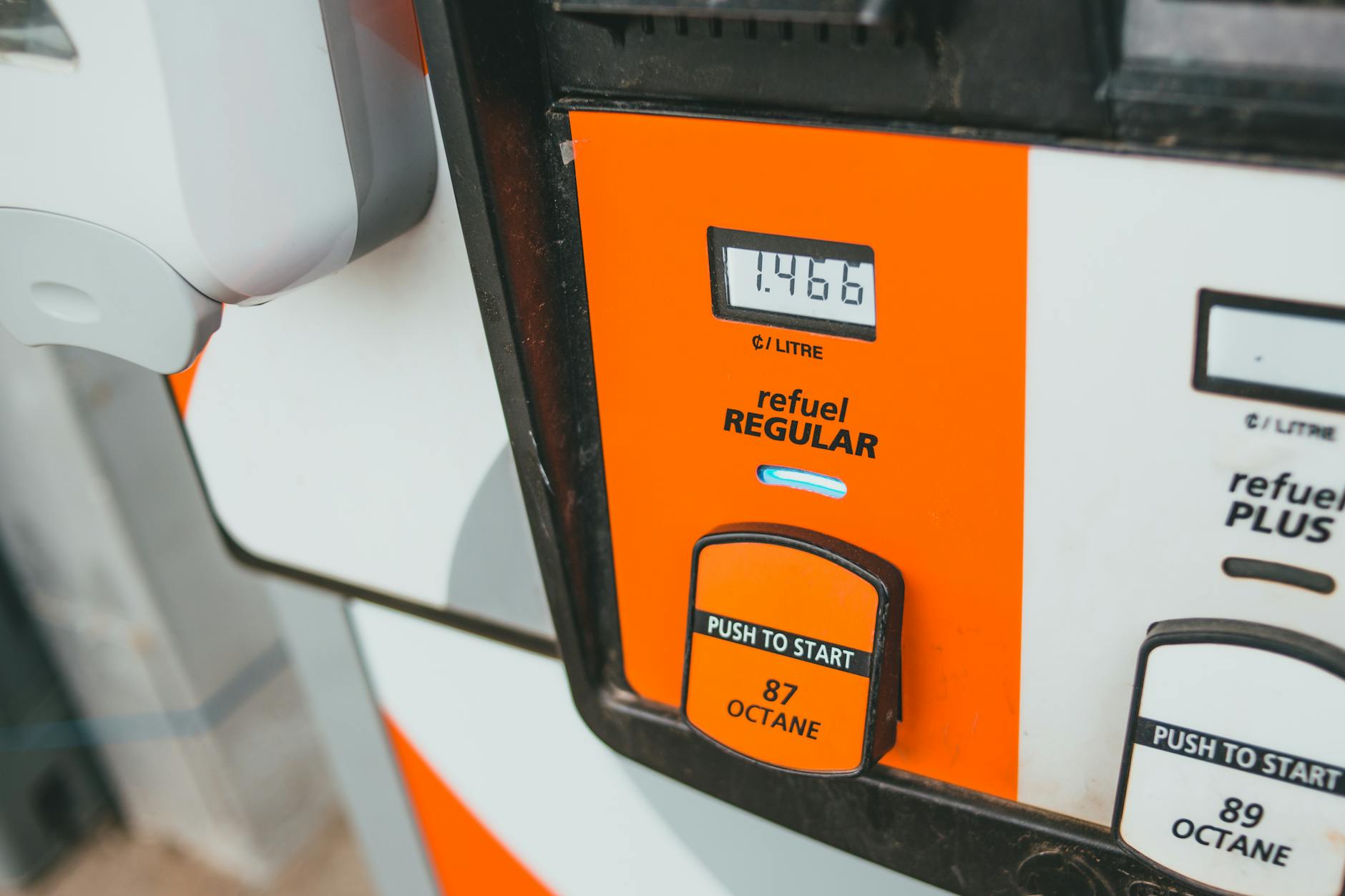
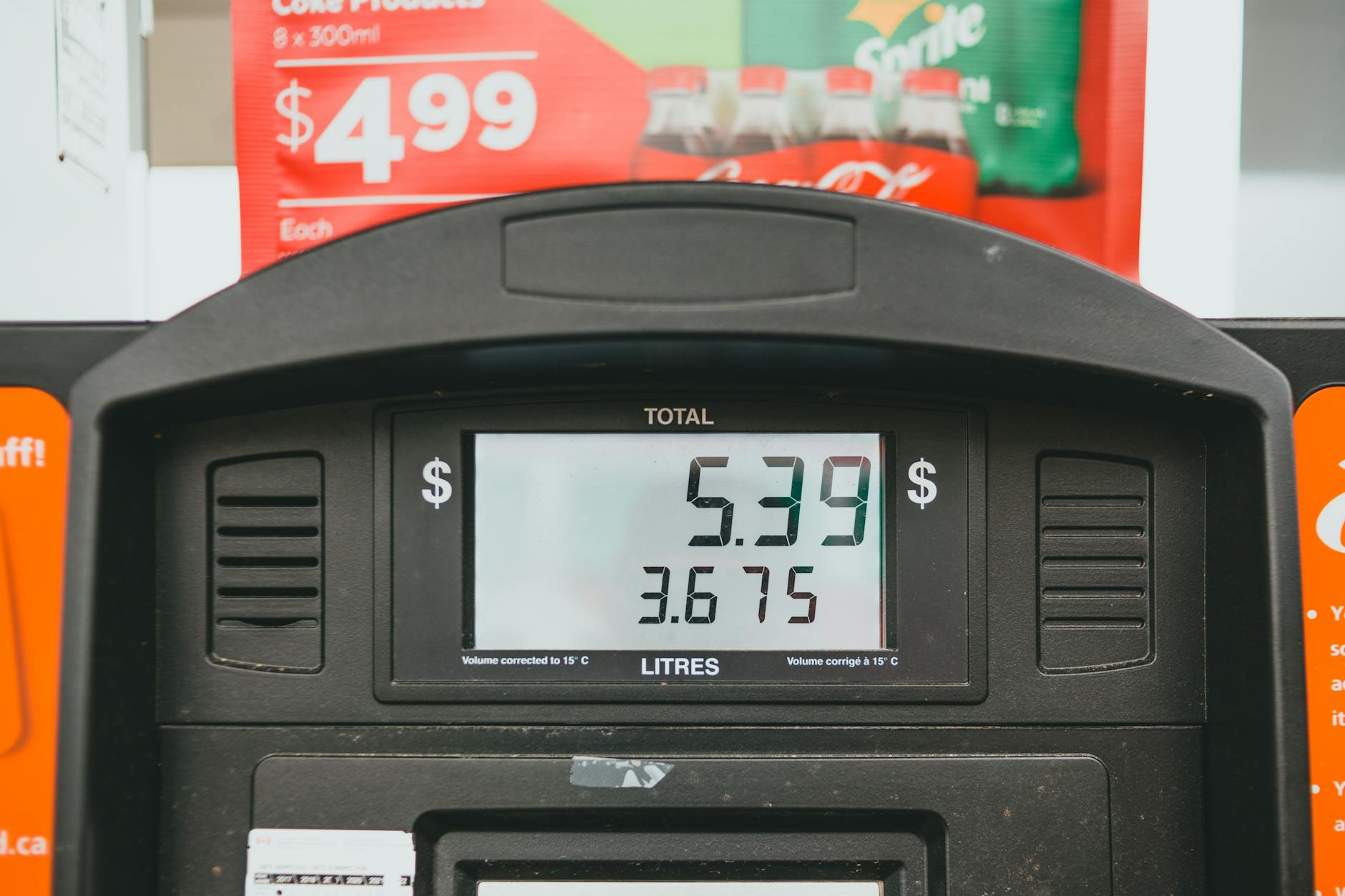
El-Erian says $4.39 gasoline is turning oil shock into recession risk
A jump in average gasoline prices to $4.39 is testing the consumer cushion that has kept US growth alive, sharpening recession warnings from Mohamed El-Erian and Mark Zandi.
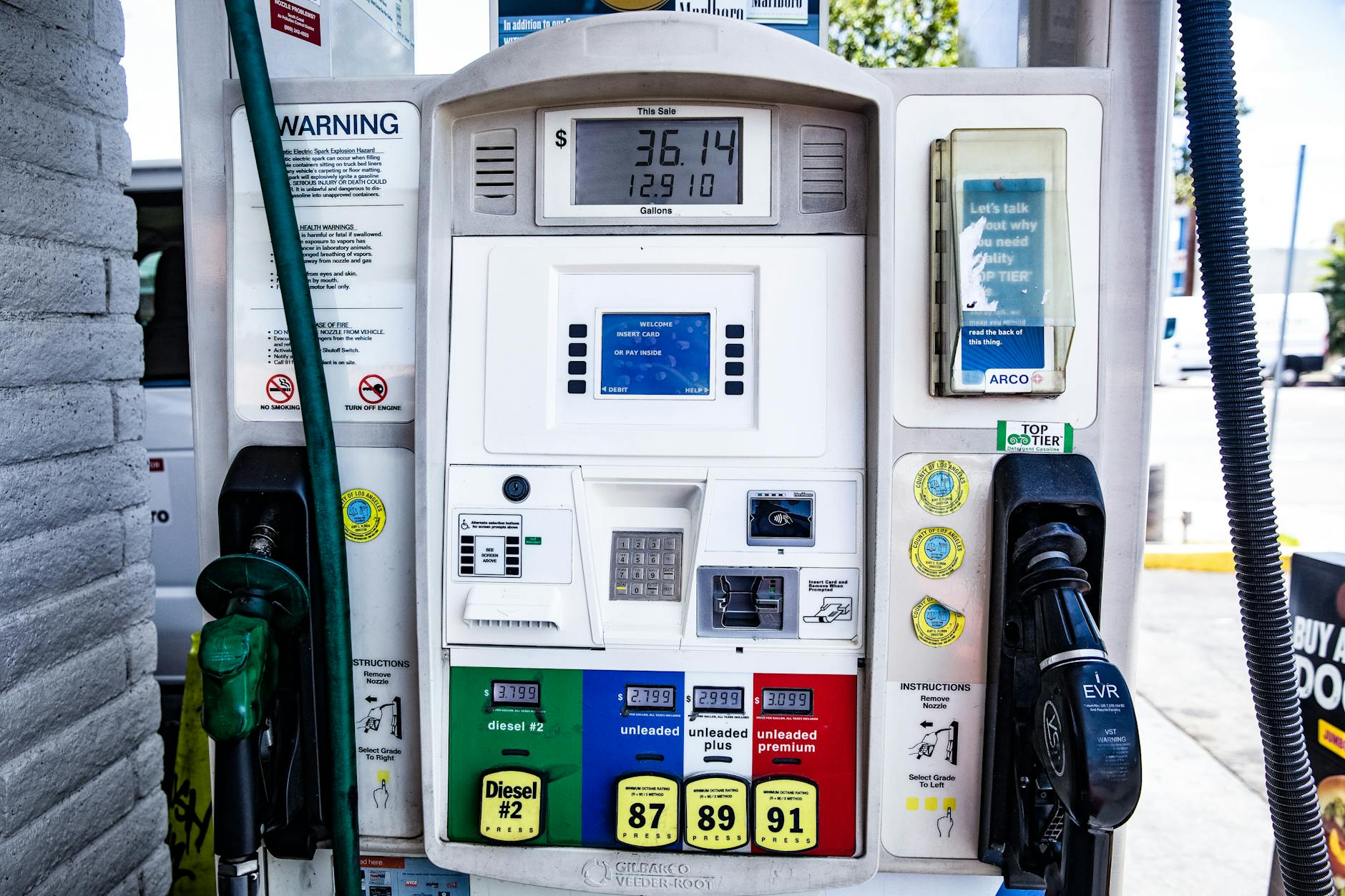
Average U.S. gasoline prices have jumped to $4.39 a gallon, and the macro worry now sits squarely on the consumer, not the crude chart. Mohamed El-Erian, the former PIMCO chief executive, told Yahoo Finance the U.S. could still avoid recession if the Strait of Hormuz is reopened within four to eight weeks. When fuel costs rise this fast, the first stress point is household confidence.
Gasoline was $2.98 before the conflict, then climbed to $4.39, according to the same report. Petrol is one of the few prices households confront in real time, several times a month, with little room to postpone. A higher fuel bill behaves like a rolling deduction from disposable income. It only needs to linger long enough to make consumers hesitate over the next non-essential purchase.
The macro issue sits in the transmission channel. Oil can absorb a geopolitical premium for a while; households are less flexible. The Richmond Fed has already described a “selective spending squeeze” in which higher energy costs redirect spending rather than erase it outright. Its conclusion: consumers’ spending appetites may have been disrupted by high energy prices. Disrupted is enough to leave a mark on growth.
The data offers little extra padding. The Bureau of Economic Analysis said the personal saving rate was 3.6 per cent in March. A thin cushion for an economy that has relied on consumer demand to keep activity moving while business confidence and hiring have softened. If more cash is diverted to the forecourt, less is available for the discretionary categories that usually tell investors whether households are still willing to carry the expansion.
The formal forecasts already point to an economy with limited shock absorbers. The Philadelphia Fed’s Survey of Professional Forecasters projects 2.2 per cent real GDP growth in 2026 and unemployment at 4.4 per cent to 4.5 per cent into the first quarter of 2027. That baseline leaves little room for a fresh hit to real incomes. Mark Zandi, chief economist at Moody’s, put the risk more bluntly in the Yahoo report: “Even if the Iran war winds down and oil prices recede quickly, the fallout will ensure there is no GDP pickup or job growth this year.”
Expensive fuel would work through the economy before it showed up cleanly in the headline data — first narrowing the room for optional spending, then pulling down confidence, then making employers and investors more cautious about the second half. That chain is why El-Erian’s four-to-eight-week clock matters. The market can price oil by the minute. Consumers make their adjustment one tank at a time.
The consumer channel
Research from Brookings and the Bank of America Institute helps explain why the shock shows up first as a distribution problem and only later as an aggregate growth problem. Lower-income households have the least wiggle room at the pump and the least capacity to smooth the hit elsewhere in the budget. For a higher-income driver, a fuel spike can feel like an annoyance. For a cash-constrained commuter, it can mean one fewer meal out, one postponed purchase or one more month of relying on revolving credit.
U.S. consumers are bending under higher prices. Richmond Fed researchers put it more precisely. Spending can survive and still change character. Households pull back on choice before they pull back on necessity. They trade down. They skip the extra trip. They hold off a week. None of those decisions looks dramatic on its own. Together they weaken the part of demand that usually gives the economy momentum between payroll reports and quarterly GDP releases.
El-Erian’s warning lands in that gap between market pricing and household behaviour. Investors can watch crude futures and Treasury yields tick by the minute, but recession risk often arrives through smaller decisions made away from the screen. The longer gasoline stays above $4, the less the energy shock looks contained to producers, refiners or shipping lanes. Eventually it stops looking sector-specific. It becomes a story of lost purchasing power and weaker sentiment — and lower tolerance for every other price increase already moving through the economy.
Why markets care
For markets, the backdrop was already modest. A 2.2 per cent GDP forecast is serviceable when inflation is easing, labour markets are steady and households still have spare cash. A visible essentials bill that jumps by nearly half in a short period changes that calculus. If unemployment is already expected to drift toward 4.5 per cent, evidence of a more cautious consumer is enough for investors to start marking down cyclical exposures.
Recessions rarely arrive as a single monthly collapse. Instead a series of smaller retreats accumulates across travel, dining, apparel and other discretionary lines, and the aggregate picture weakens only after the shift has been underway for a while. By then, the oil shock is no longer being judged as an energy event. It becomes a test of whether demand had any real margin for error left.
Higher gasoline prices also create an awkward policy mix. They can restrain real spending and keep inflation worries alive at the same time. For the Federal Reserve, that is a harder combination than a plain growth slowdown. Equity and credit investors face the same problem. A clean disinflation story supports lower yields and better risk appetite. A petrol-led squeeze pressures real incomes first, then forces markets to ask whether weaker demand will arrive before relief at the pump.
Time is the variable that matters most. El-Erian’s four-to-eight-week window is short enough to sound manageable and long enough to matter. If the Strait is reopened quickly and crude retreats, the episode may register as an ugly interruption in the summer spending story. If it is not, the price board at the local station becomes one of the clearest recession indicators in the economy. The gasoline spike is a test of how much resilience was really left in U.S. demand before the next shock arrived.
Sloane Carrington
Markets columnist. Analytical pieces and deep-dives on monetary policy, capital flows and corporate strategy. Reports from New York.