Klarna Q1 profit after IPO tests BNPL discipline
Klarna posted its first profitable quarter since going public, but the shares still fell. The Q1 result tests whether public-market discipline is reshaping BNPL economics for good.
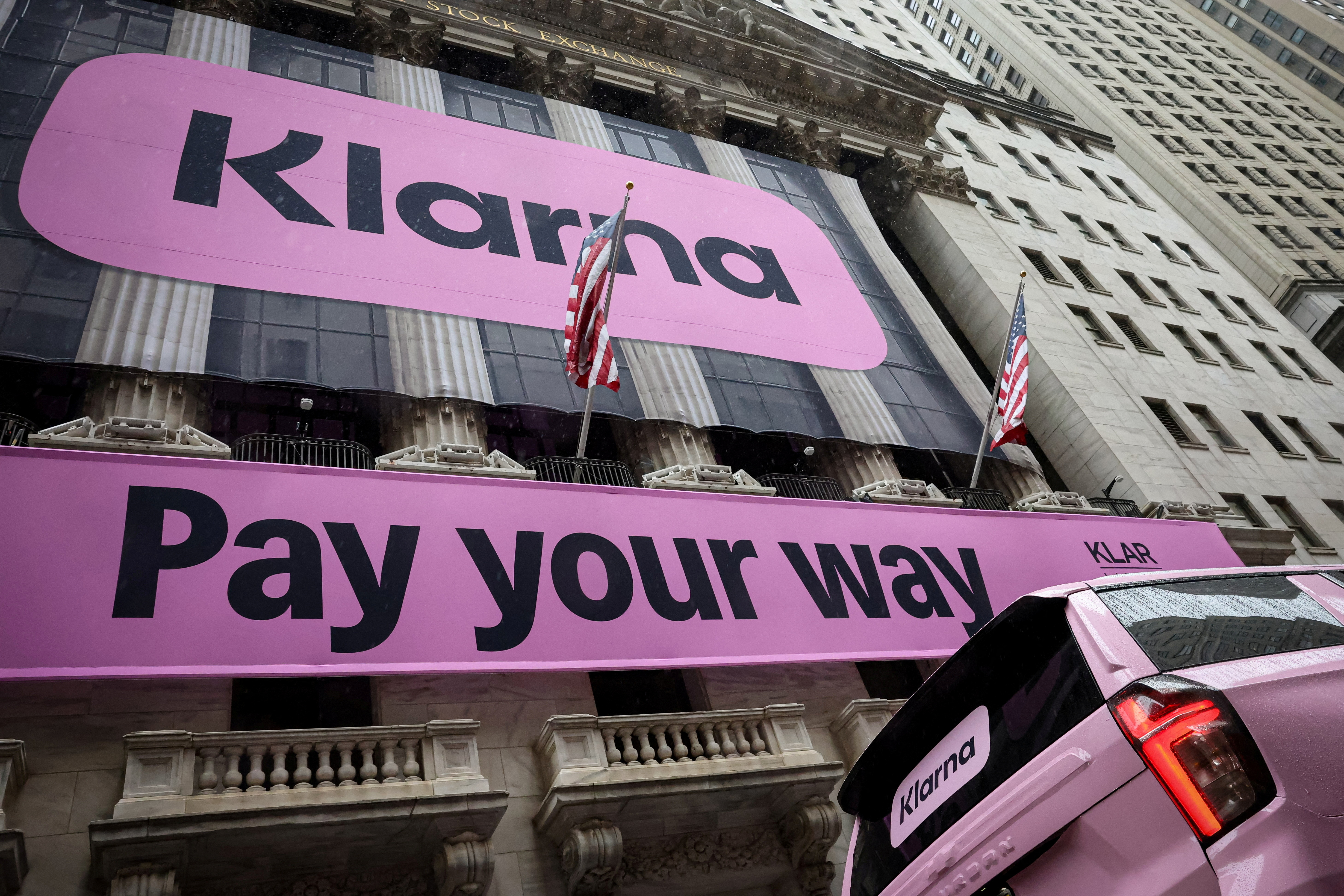
Klarna Group plc (KLAR) reported $1 million of net income in the first quarter — its first profitable period since the Swedish buy-now-pay-later lender went public in New York last September — as revenue climbed 44 per cent to $1.012 billion, the company said in its Q1 earnings release. The shares still slipped 7.7 per cent to $15.17 on May 14, a sign investors wanted more than a break-even milestone from one of the most closely watched tests of whether BNPL can withstand public-market scrutiny.
The numbers carried wider fintech weight. Klarna floated at roughly $15 billion after an extended valuation reset, and listed shareholders have been faster than private backers to penalise growth built on loose credit or heavy funding support. This quarter is an early gauge of whether a lender built around instalment spending can improve earnings quality without throttling volumes or taking more risk onto its books.
Beneath the net income line, the quarter read stronger than the headline figure. Gross merchandise volume grew 33 per cent to $33.7 billion while transaction margin dollars increased 44 per cent to $389 million, again per the earnings release. Credit-loss provisions were $186 million, or 55 basis points of GMV — a metric fund managers watch carefully when rates stay elevated, since it reveals whether growth is coming at the expense of underwriting standards. Operating profit hit $17 million, swinging from a $90 million loss in the same period last year.
Some of the beat was relative. Reuters noted that both revenue and profit exceeded analyst estimates while the unchanged outlook left part of the market wanting more. That mix explains why an apparently strong print did not move the stock higher. For KLAR, public shareholders are now pricing the company on consistency, not just the symbolism of a single black-ink quarter.
User growth kept pace as the income statement turned positive. Klarna finished the quarter with 119 million active customers, a 21 per cent rise from a year earlier, according to FStech’s recap. On the earnings call, management argued its funding and distribution efforts were widening the business rather than covering for flagging demand in the core instalment product.
“We delivered above the high end of every line.”
— Sebastian Siemiatkowski, chief executive, via the Q1 earnings call transcript
Guidance stayed unchanged
Guidance was the sticking point for investors. Klarna kept its full-year gross merchandise volume target at $155 billion and said second-quarter revenue would land between $960 million and $1 billion, according to the earnings call transcript. That bracket still points to growth, but it gave nobody a new case for repricing the stock above its post-IPO range. A single profitable quarter proves cost control. It does not, by itself, answer the bigger question of how much earnings power BNPL lenders can generate when rates remain high and cheap funding is gone.
What the buyside liked was the composition. Revenue passed the $1 billion threshold. Transaction margins widened. Credit costs stayed contained. A listed consumer-finance company needs to show all three if it wants durable-growth treatment rather than promotional-growth treatment. The cautionary reading is that Klarna still has to deliver several quarters of the same before the market awards it a structural re-rating.
Neglen kept the tone measured on the call, telling analysts the company was “well on track for our full year guidance,” per the transcript. Siemiatkowski made a similar point, calling Klarna’s forward-flow funding capabilities “additive, not a substitute” on the same call. The phrasing was careful. In this environment, fintech executives get more credit for showing that funding, credit quality and top-line growth can all move together than for promising another leg of expansion.
The first profitable quarter since the listing is best treated as an opening data point, not a final answer on the BNPL model. If provisions hold near current levels and revenue stays above $1 billion, Klarna can build a stronger argument that public-market pressure is refining its economics rather than crushing demand. If margins narrow or guidance stays too cautious to shift sentiment, KLAR will remain what it looks like today: another post-IPO fintech whose first profitable quarter matters — but isn’t yet decisive.
Naomi Voss
Banks and deals reporter covering bank earnings, fintech, M&A and IPOs. Reports from New York.