U.S. factory output rises 0.6% as autos, AI lift production
U.S. manufacturing output rose 0.6 per cent in April as motor vehicles and AI-linked demand drove production higher, but New York Fed data showed delivery times lengthening and price pressures accelerating.
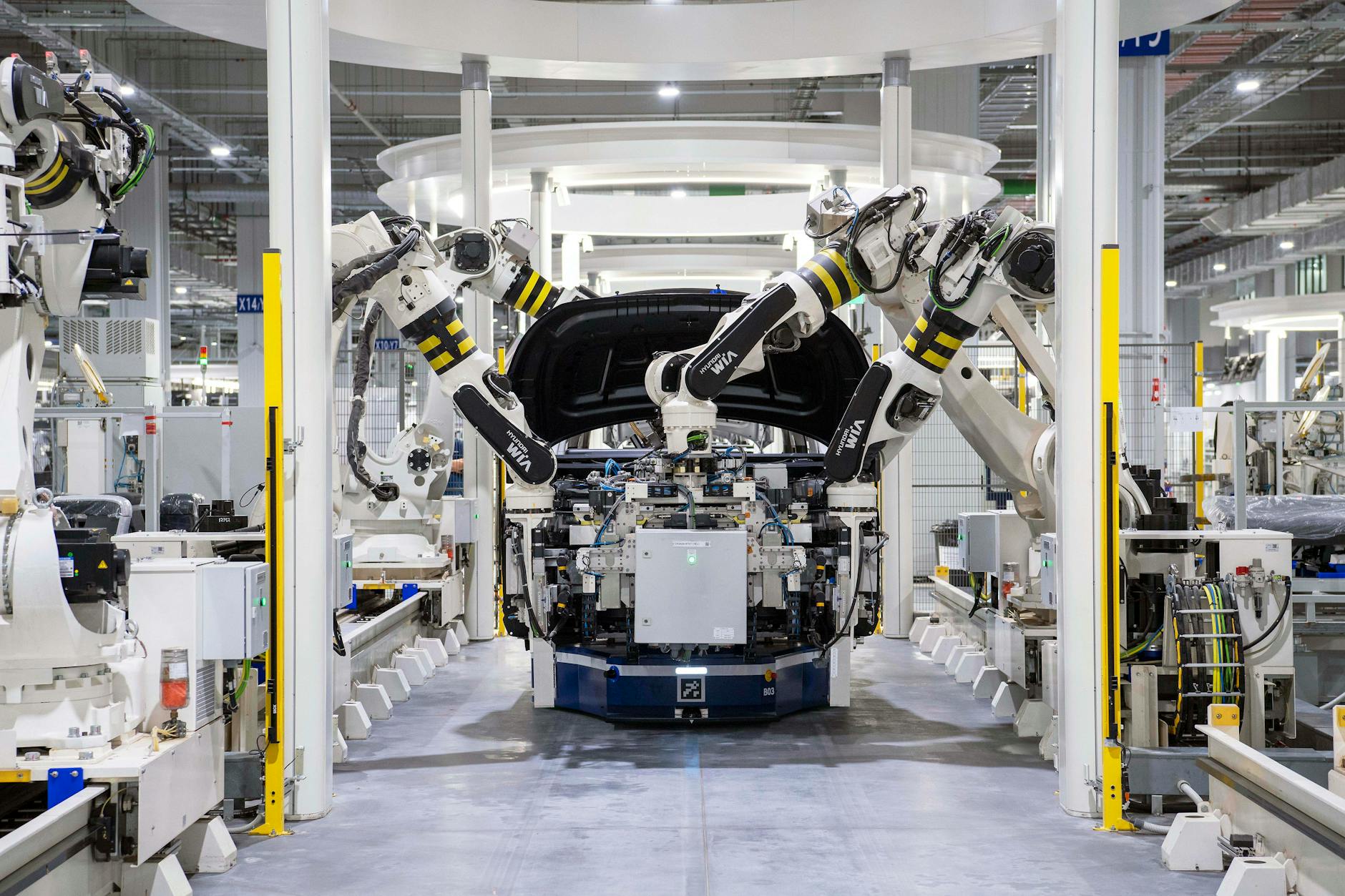
U.S. manufacturing output rose 0.6 per cent in April, the strongest monthly gain in more than a year, as car plants raised assemblies and demand tied to artificial-intelligence hardware kept factory lines moving, according to a Reuters report on April factory output citing Federal Reserve data. Industrial production overall climbed 0.7 per cent and capacity utilisation edged up to 76.1 per cent.
Beneath the top-line gain, the national print carried a warning. The latest Empire State Manufacturing Survey from the New York Fed showed New York state activity improving in May, but delivery times lengthened, supply availability deteriorated and price gauges moved higher. For a market weighing whether growth is slowing enough to let inflation ease, those details looked less comfortable than the headline production number.
Motor vehicle and parts output climbed 3.7 per cent in April, the clearest driver in the factory report. Demand linked to AI build-outs also supported high-tech manufacturing, Reuters said. Autos remain a swing factor in monthly production data. Server, semiconductor and related equipment spending is one of the few industrial demand stories with real momentum. Those forces, taken together, suggest the factory sector is running ahead of the bond market’s cautious growth narrative.
Richard Deitz, an economic research adviser at the New York Fed, described the split in Sharecast’s report on the May survey: “New orders and shipments rose strongly, and employment continued to increase. However, the pace of price increases surged while delivery times and supply availability worsened.” The survey’s general business conditions index rose to 19.6 in May from 11.0 in April, a jump that signals stronger demand even as cost and logistics pressure rebuilt.
Manufacturers were also beginning to flag shortages tied to war-related disruption, Reuters reported. When factory demand is already rising, tighter supply chains create a specific squeeze: automakers lift output, AI-related equipment orders stay firm, and companies end up paying more for inputs while waiting longer for components. That lifts the headline production count in the short run. It also works against a disinflation story built on smoother supply and cheaper goods.
What it means for the Fed
For the Federal Reserve, the April output report and the May regional survey agree on activity but diverge on prices. Stronger production and fuller order books suggest manufacturing carries more resilience than many soft-landing sceptics expected. Longer delivery times and faster price increases, however, are the details policymakers track when judging whether supply-side friction is feeding back into inflation. A factory rebound is easier to welcome with cleaner supply lines than the New York data currently show.
Michael Gapen, Morgan Stanley’s chief economist, said in the same Reuters account that “overall, firmer demand and continued expansion in output point to some resilience in the manufacturing sector.” That is the optimistic case. Whether resilience in factories now makes it harder to argue that goods-price pressure will keep fading on its own is the tougher call — particularly if geopolitical disruptions continue interfering with inputs.
Markets are already reading stronger factory surveys through that lens. In a Kitco market note on the Empire State surprise, the firm said the jump in the New York index could add to headwinds for gold — shorthand for the view that firmer activity data keeps rate expectations elevated. The April factory figures do not settle the inflation debate, but they make it harder to tell a story in which slower growth and lower goods prices arrive together.
The next test
Whether April marks the start of a broader manufacturing upturn or a one-month burst led by autos depends on what comes next in orders, inventories and supply conditions. If national production data keep improving while regional surveys keep reporting scarcer inputs and hotter prices, investors will have to treat factory strength as both a growth positive and an inflation risk. For now, U.S. industry looks more resilient than fragile. The cost of that resilience may be a longer wait for the kind of price relief the Fed wants to see.
Helena Brandt
Macro reporter covering the Federal Reserve, ECB, inflation prints and jobs data. Reports from Washington.