Parker files Chapter 7 after Avalara deal collapse; $58m equity wiped
The e-commerce credit card startup shut down on 4 May after acquisition talks with tax-software firm Avalara collapsed. The Chapter 7 filing lists $50m to $100m in both assets and liabilities.
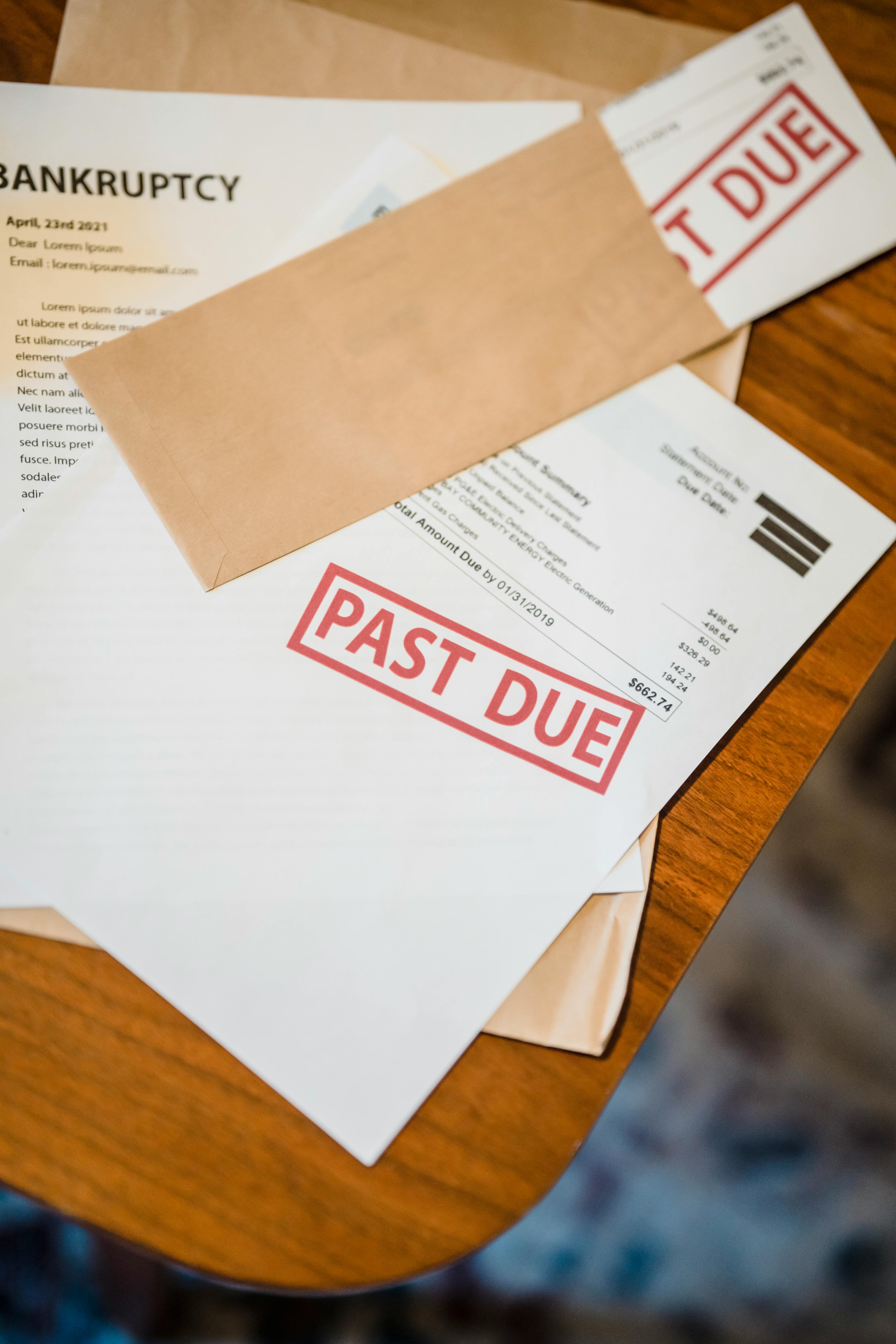
Parker, the venture-backed fintech that sold e-commerce businesses on a better corporate card, filed for Chapter 7 bankruptcy on 7 May, three days after shutting down without warning and wiping out $58m in equity from Valar Ventures and Y Combinator.
The filing, submitted in US bankruptcy court, lists assets and liabilities each in the range of $50m to $100m and between 100 and 200 creditors. The petition is marked deficient: the company has not yet filed the supporting schedules that detail its full creditor list, executory contracts, and statement of financial affairs. A Chapter 7 trustee will be appointed to marshal and liquidate the estate. Parker has 14 days from that appointment to submit complete schedules.
The collapse was sudden even by startup standards. CEO and cofounder Yacine Sibous wrote on social media that three weeks before the filing he believed Parker was headed for an acquisition at nearly $90m. The buyer, according to fintech consultant and Fintech Business Weekly publisher Jason Mikula, was Avalara, the tax-compliance software firm, which backed out at the last minute. Patriot Bank, Parker’s credit card issuing partner, then terminated the programme, triggering the shutdown on 4 May. Patriot had sent notices to customers the day before, on 3 May.
“Avoid over-hiring, reactive decisions, and doomsayers,” Sibous wrote in a separate post. He called the sequence “a crazy turn of events.”
Parker competed with Brex, Ramp, and Divvy, targeting e-commerce sellers with a charge card that offered rolling 60-day interest-free terms per purchase rather than a standard monthly statement cycle. The company also provided treasury management accounts through Piermont Bank. It claimed more than $200m in total funding, though $125m of that was an asset-backed lending facility for the card programme rather than equity capital. The equity portion stood at roughly $58m.
The company raised a $31.1m Series A in March 2023 led by Valar Ventures, the firm backed by Peter Thiel, with participation from Y Combinator, where Parker was part of the winter 2019 batch. A $20m Series B followed in November 2024, also led by Valar. At the time, Forbes reported that Sibous planned to build “a suite of financial data products” atop the card programme. The company said it had reached $65m in annual revenue.
Customer funds and the bank-partner model
Customer deposits sit with Piermont and should not be affected by Parker’s own bankruptcy. Whether account holders can access their funds quickly depends on the operational structure. If accounts were held in a for-benefit-of (FBO) structure and ledgered by Parker, rather than opened directly on Piermont’s core banking system, the wind-down could introduce delays while the trustee and the bank reconcile who owns what.
Mikula noted that past fintech bankruptcies, including Synapse, had disrupted end-user access to funds even when the bank partner was solvent. In the Synapse case, customers of multiple fintech apps were locked out of their accounts for weeks while a court-appointed trustee untangled the ledger. None of Parker, Patriot Bank, Piermont, or Avalara responded to requests for comment.
What Chapter 7 means
Chapter 7 is a liquidation, not a restructuring. A trustee will sell Parker’s remaining assets, which may include its loan book, software, and brand, and distribute proceeds to creditors according to the statutory priority schedule. Secured creditors and administrative expenses of the estate are paid first. Unsecured creditors, including vendors and trade claimants, stand near the back of the line.
The filing is the latest in a run of venture-backed fintech collapses that have raised questions about the bank-partner model. Parker did not hold a banking charter. It relied on Patriot Bank for card issuance and Piermont for deposit accounts. When the startup failed, the operational link between the fintech and its bank partners became the single point of failure for customers. Regulators at the FDIC and OCC have indicated they may tighten rules governing these arrangements, though no formal proposal has been published.
Parker’s exit leaves the e-commerce credit card market to Brex and Ramp, both of which have consolidated their positions over the past two years. Brex reported annualised revenue above $500m in its most recent quarter. Ramp crossed $1bn in annualised payment volume in 2025. Neither firm has expressed interest in acquiring Parker’s loan book or customer accounts, according to people familiar with the matter.
For the venture investors, the loss of $58m in equity is a write-off. The asset-backed facility, structured through Patriot Bank, will be unwound by the trustee. Sibous has not commented on next steps beyond his social media posts. His LinkedIn profile still lists him as CEO of Parker as of Monday.
Naomi Voss
Banks and deals reporter covering bank earnings, fintech, M&A and IPOs. Reports from New York.