Oil jumps above $102 after US-Iran fire exchange in Strait of Hormuz
Oil prices surged above $102 a barrel after Iran and the United States exchanged fire in the Strait of Hormuz, threatening the fragile month-old ceasefire and adding a fresh risk premium to crude markets.
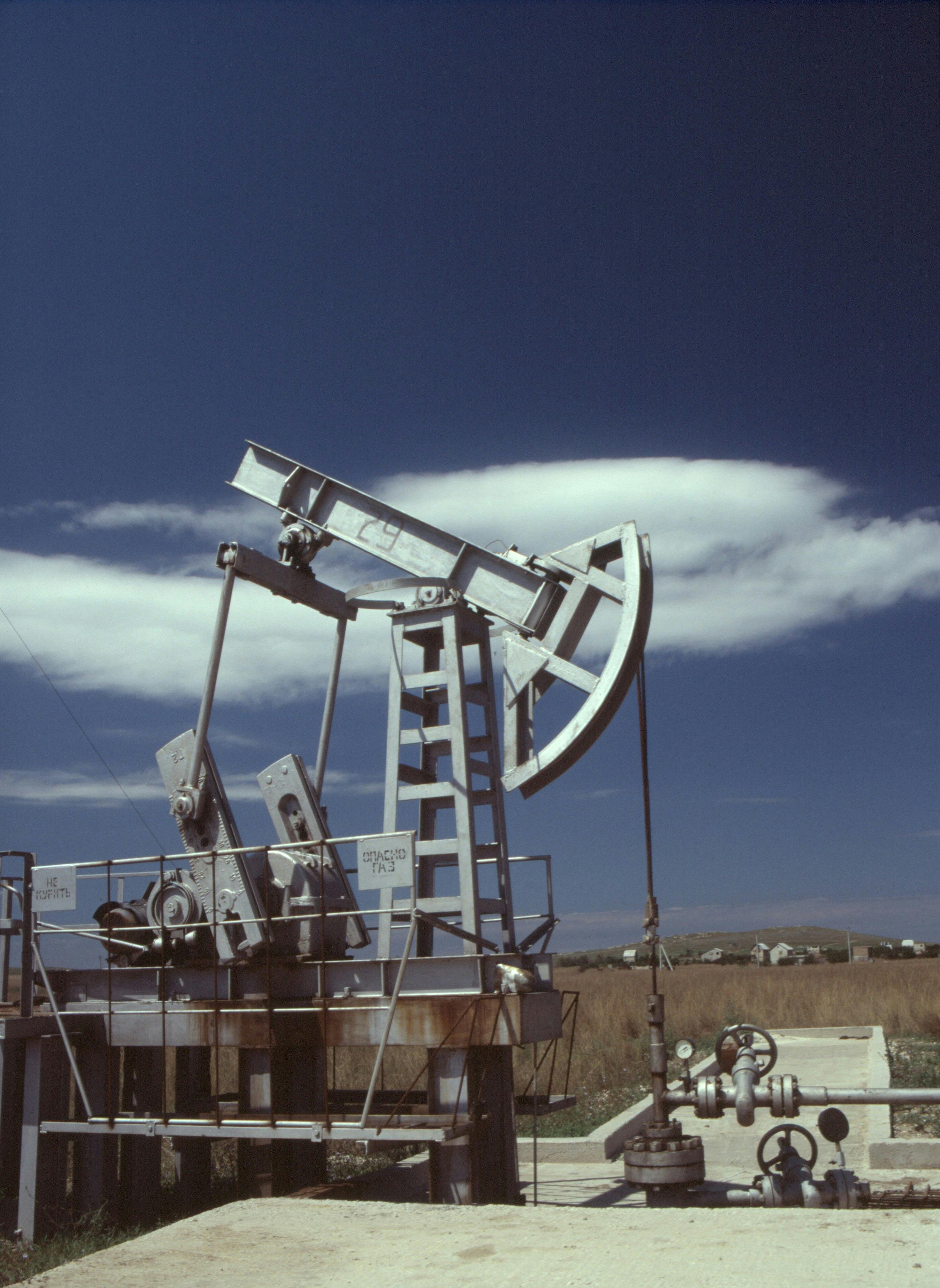
Oil prices surged in early Asian trade on Friday after Iran and the United States exchanged fire in the Strait of Hormuz, threatening the fragile month-old ceasefire that had helped pull crude off its April highs.
Brent crude rose 2.64 per cent to $102.70 a barrel. West Texas Intermediate climbed 1.95 per cent to $96.66. The gains reversed Thursday’s decline, when Brent had dipped below $100 amid optimism that Washington and Tehran were nearing a framework deal to reopen the waterway.
Three US Navy destroyers transiting the strait came under attack from Iranian missiles, drones and small boats, according to a US defence official. American forces responded with “self-defense strikes” that “eliminated inbound threats and targeted Iranian military facilities responsible for attacking U.S. forces,” US Central Command said in a statement.
President Donald Trump said the ceasefire remained in effect. “There was no damage done to the three Destroyers, but great damage done to the Iranian attackers,” Trump said. He added that if the ceasefire were not in place, there would be “one big glow coming out of Iran.”
Iran accused the US of violating the ceasefire by targeting an Iranian oil tanker and another vessel before the destroyer transit, according to state media.
The exchange follows an Iranian strike on UAE targets earlier this week that set an oil facility in Fujairah ablaze. It also comes after Trump paused “Project Freedom,” a US Navy escort plan for merchant vessels through the strait, after frustration from Gulf allies. The Financial Times reported the mission was paused because Saudi Arabia refused to let Washington use its bases and airspace for the operation.
Market reaction
Asian equity markets were mixed on Friday as investors weighed the renewed hostilities against the possibility that neither side wants a full return to the open conflict that sent Brent above $130 in April. Japan’s Nikkei 225 opened 0.4 per cent lower. Australia’s S&P/ASX 200 slipped 0.2 per cent. Hong Kong’s Hang Seng futures pointed to a flat open.
The dollar strengthened against currencies tied to commodity imports, with the Japanese yen and the South Korean won both edging lower. Gold ticked up 0.3 per cent to $2,348 an ounce as traders rotated into haven assets.
Airlines and shipping stocks led the declines in early trading, reflecting concern that a prolonged Hormuz closure would lift fuel costs further. Lufthansa warned earlier this week the disruption would add $2 billion in fuel costs for the current year. German officials have sought jet fuel supplies from Israel as an alternative source.
Diplomatic track
Talks continue between Washington and Tehran over a framework to formally end the war, reopen the Strait of Hormuz and negotiate Iran’s nuclear programme. Friday’s exchange complicates those negotiations and adds a fresh risk premium to a market already grappling with physical supply shortages that the International Energy Agency has said will persist through 2030.
US National Security Council spokesperson Brian Hughes told reporters Friday the administration remained “committed to a diplomatic resolution” but would “defend American forces and maintain freedom of navigation in international waters.” Iran’s foreign ministry said the attack on the oil tanker justified its response and accused the US of “bad faith” in the talks.
“Volatility remains the only certainty in today’s oil markets,” wrote Josh Owens at OilPrice.com. Traders are watching for any further escalation that could take Brent above the $105 level last seen during the initial Hormuz disruption in early April. A full return to the pre-ceasefire conflict would bring the $130 highs back into view, though most analysts consider that scenario unlikely given the economic toll on both sides.
Reza Najjar
Commodities desk covering oil, natural gas, gold and base metals. Reports from London.